
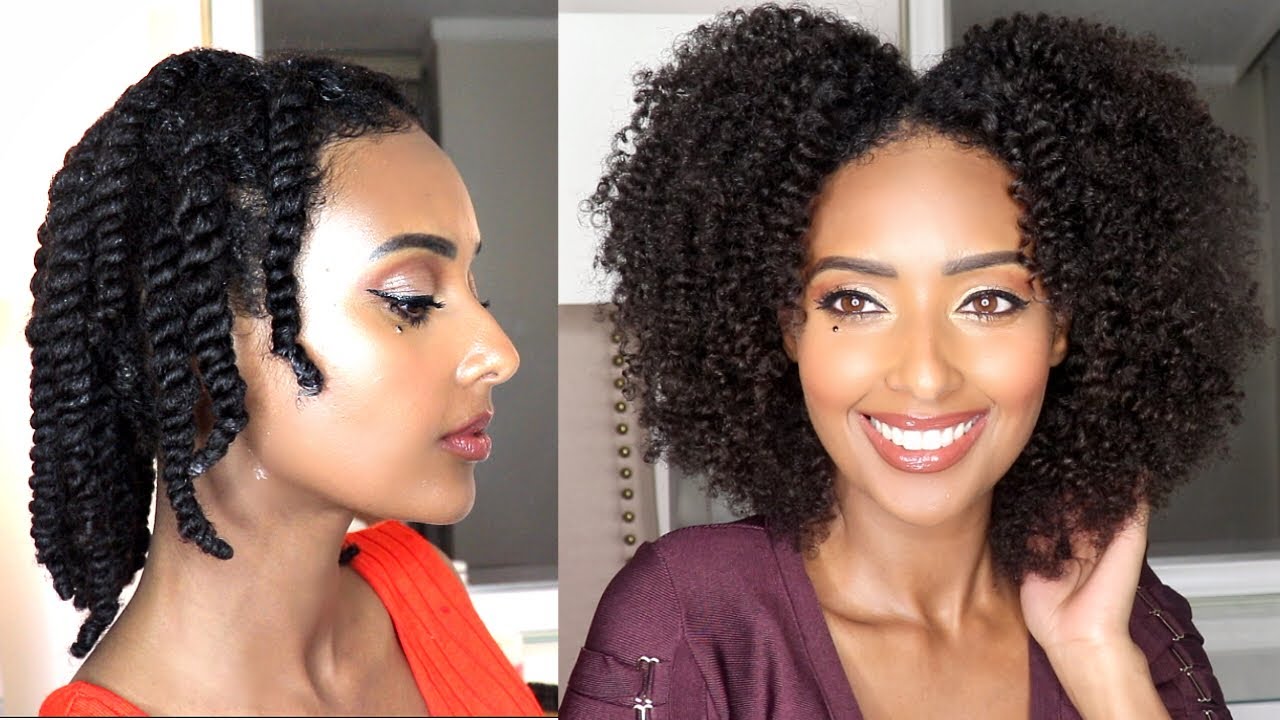
If your hair feels perpetually dry no matter how much conditioner you use, or if products seem to sit on top instead of soaking in, you might be dealing with low porosity hair. This common hair type has tightly closed cuticles that make moisture absorption challenging, yet once hydrated, it holds onto softness beautifully. In 2026, with more people embracing natural textures and personalized routines, understanding low porosity hair has become essential for achieving truly healthy strands.
The good news? With the right approach, low porosity hair can look shiny, feel soft, and stay moisturized for days. Beyond the physical benefits, many view hair care as a spiritual practice your strands act like an energetic antenna connected to the crown chakra. Nurturing low porosity hair becomes more than routine; it’s a mindful ritual that supports inner balance and self-worth. This guide shares practical secrets, product recommendations, and holistic insights to help you transform your hair from resistant to radiant.
What Is Low Porosity Hair?
Hair porosity refers to how easily your strands absorb and retain moisture, determined by the state of the outer cuticle layer. In low porosity hair, the cuticles lie flat and tightly packed, almost like overlapping shingles on a roof. This creates a protective barrier that repels water and heavy products but excels at locking in hydration once it penetrates.
Unlike damaged hair that feels rough, low porosity hair often appears sleek and shiny especially common in straight or fine textures. It resists chemical processing (color, perms) and holds styles well, but everyday moisturizing becomes a puzzle. Many people mistakenly blame dryness on product quality when the real issue is porosity mismatch.
Signs of Low Porosity Hair: How to Spot It
Recognizing the signs prevents frustration and wasted products. Common indicators include:
- Water beads up on strands instead of absorbing quickly.
- Hair takes hours to air-dry, even after towel-drying.
- Products (conditioners, oils, creams) sit on the surface, creating a coated or greasy feeling at the roots while ends stay dry.
- Buildup accumulates fast, leading to dullness or flaking.
- Deep treatments only work with heat; otherwise, they rinse away.
These traits often mimic healthy hair externally but cause internal dryness and tangling. If this sounds familiar, you’re likely working with low porosity hair.
Low Porosity Hair: How to Know for Sure
The most reliable methods require no salon visit. Try these simple at-home tests:
- Float Test: Place a clean, product-free strand in a glass of room-temperature water. If it floats for a long time (or never sinks), you have low porosity. Medium porosity sinks slowly; high sinks quickly.
- Spray Test: Mist water onto dry hair. Beading or slow absorption points to low porosity.
- Touch Test: Slide your fingers down a clean strand from root to tip. Smooth and slick = low porosity; slightly rough = medium; bumpy or ragged = high.
These tests reveal your baseline. Retest after clarifying to rule out buildup mimicking low porosity hair.
What Causes Low Porosity Hair?
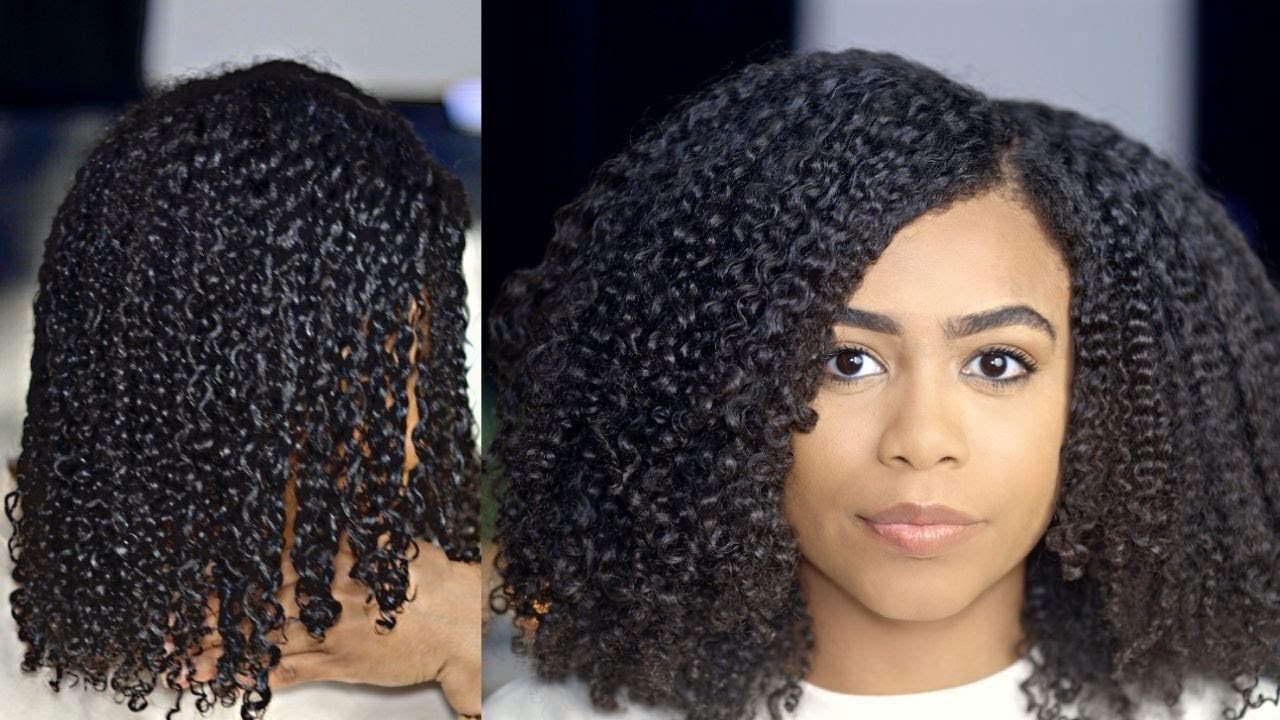
Genetics play the biggest role. East Asian hair, for instance, naturally features compact cuticles, giving that signature straight, glossy look. Other contributors include:
- Minimal prior chemical or heat damage (undamaged cuticles stay tightly closed).
- Hard water minerals or silicones creating a temporary barrier.
- Overuse of heavy butters and oils that coat rather than penetrate.
Unlike high porosity hair (often caused by bleaching, coloring, or heat styling that lifts cuticles), low porosity hair usually stems from inherent structure rather than trauma. Understanding the root cause helps you choose targeted low porosity hair care instead of generic advice.
Low Porosity Hair vs High Porosity Hair (and Medium Porosity)
Porosity exists on a spectrum. Here’s how the three types compare:
| Aspect | Low Porosity Hair | Medium Porosity Hair | High Porosity Hair |
|---|---|---|---|
| Cuticle State | Tightly closed, flat | Slightly raised, balanced | Lifted, damaged, gapped |
| Moisture Absorption | Slow, resists penetration | Absorbs and retains evenly | Absorbs quickly but loses fast |
| Drying Time | Very long (8+ hours) | Moderate | Quick |
| Common Issues | Buildup, coated feel, hard to hydrate | Minimal issues | Frizz, breakage, dryness |
| Best Products | Lightweight, water-based | Most formulas work | Heavy creams, proteins |
| Appearance | Often shiny, sleek | Healthy, manageable | Dull, rough, frizzy |
Do Most Asians Have High or Low Porosity Hair?
Most East and Southeast Asians naturally have low porosity hair due to thicker, more compact cuticles and round hair shafts. This contributes to the classic shiny, straight appearance that resists humidity and damage. South Asian hair varies more often medium to high porosity especially with cultural styling practices or environmental exposure. Recognizing this genetic tendency prevents following one-size-fits-all routines popular in Western hair communities.
Secrets to Soft, Moisturized, and Healthy Low Porosity Hair
Achieving softness starts with helping moisture penetrate without weighing strands down. Key strategies:
- Apply to Wet Hair: Squeeze out excess water first so products contact the cuticle directly.
- Use Heat Wisely: Warm your conditioner or mask with a steamer, shower cap, or low-heat dryer for 10–20 minutes to temporarily lift cuticles.
- Clarify Regularly: Every 1–2 weeks, use a gentle clarifying low porosity hair shampoo to remove buildup that blocks absorption.
- Lightweight Layers: Choose water-based formulas over heavy creams. Focus on ends first, then mid-lengths avoid roots.
- Protein Balance: Low-porosity strands often need less protein; opt for moisturizing masks unless you notice weakness.
Consistency turns these secrets into visible results shinier, bouncier, and softer hair within weeks.
Low Porosity Hair Care Routine That Works in 2026
A simple, effective weekly routine:
- Cleanse: Use a sulfate-free low porosity hair shampoo (rose water or micellar formulas) 1–2 times weekly.
- Condition: Apply a lightweight mask with heat. Rinse cool to seal cuticles.
- Style: Follow with a water-based leave-in, then a few drops of low porosity hair oil.
- Refresh: Mid-week, mist with aloe or rose water and seal lightly.
- Protect: Silk pillowcases and loose styles minimize friction.
This approach keeps low porosity hair moisturized without buildup.
Best Low Porosity Hair Products for 2026
Focus on lightweight, penetrating formulas. Top recommendations based on current expert reviews:
- Shampoo: Pantene Miracle Moisture Boost Rose Water or gentle clarifying options cleans without stripping.
- Low Porosity Hair Oil: Bread Beauty Supply Hair Oil Everyday Gloss, PHYTO Absolute Nourishment, or squalane-based oils like Vegamour HYDR-8. Avoid thick coconut or castor; choose argan, grapeseed, or jojoba for low porosity hair oil.
- Masks & Conditioners: Amika Hydro Rush or water-based deep treatments.
- High Porosity Hair Oils (for comparison): Heavier options like olive or avocado work better on the opposite end of the spectrum.
Many 2026 formulas now include lightweight silicones or botanicals that penetrate without residue. Always patch-test and adjust based on your climate.
The Spiritual Significance of Caring for Low Porosity Hair
In many traditions, hair serves as a spiritual extension an antenna channeling energy from the crown chakra. Low porosity hair, with its protective, closed nature, mirrors a guarded energetic field: strong yet sometimes resistant to new flow. Mindful low porosity hair care becomes a ritual of gentle opening inviting abundance, clarity, and self-love while honoring your natural boundaries.
Practitioners note that healthy hair reflects inner vitality. When you invest time in softening resistant strands, you also soften self-criticism and resistance in life. Some traditions view long, well-cared-for hair as storing wisdom and personal power. By choosing low porosity hair products that respect your hair’s unique needs, you align physical self-care with spiritual growth turning wash day into a meditation on acceptance and renewal.
FAQ: Common Questions About Low Porosity Hair
What are signs of low porosity hair?
Water beading, slow drying (often 8+ hours), products sitting on the surface, quick buildup, and a coated feeling at roots while ends feel dry.
How do you fix low porosity hair?
Use heat to open cuticles, choose lightweight water-based products, clarify regularly, apply to damp hair, and layer lightly. Consistency with the right low porosity hair care routine delivers softness and moisture retention.
Do most Asians have high or low porosity hair?
Most East and Southeast Asians have low porosity hair due to naturally tight cuticles, giving shiny, straight strands that resist damage but need gentle penetration.
What is better, low or high porosity hair?
Neither is universally better low porosity hair offers natural shine and retention while high porosity hair absorbs easily. Medium porosity often feels easiest to manage, but tailored care makes any type healthy and beautiful.
What’s the difference between low porosity hair and high porosity hair?
Low resists absorption but holds moisture well; high soaks quickly but loses it fast and frizzes easily. Choose products accordingly to avoid frustration.
Which low porosity hair shampoo or oil should I start with?
Begin with a lightweight, sulfate-free shampoo and a penetrating oil like argan or squalane. Avoid heavy butters until you master buildup control.
Can low porosity hair ever become high porosity?
Yes, through chemical processing or repeated heat damage that lifts cuticles. Preventive gentle care helps maintain your natural balance.
Conclusion: Unlock Your Hair’s True Potential
Low porosity hair doesn’t have to stay a mystery or source of frustration. By recognizing the signs, understanding what causes low porosity hair, comparing it to high porosity hair and medium porosity hair, and using targeted low porosity hair products like lightweight oils and clarifying shampoos, you can finally achieve the soft, moisturized, healthy hair you’ve wanted.
Even more powerfully, treat your routine as spiritual self-care honoring your hair’s natural wisdom and energetic role. Start today: perform the float test, clarify if needed, and introduce one lightweight low porosity hair oil this week. Your strands (and your spirit) will thank you with lasting softness and shine.
