
Maintaining proper tire pressure ranks among the simplest yet most impactful ways to enhance vehicle safety, fuel efficiency, and tire longevity. Underinflated tires increase rolling resistance, reduce braking performance, and accelerate wear potentially raising crash risk and costing more in fuel and replacements. Overinflated tires reduce traction on wet roads and create uneven tread wear.
In 2026, most modern vehicles feature Tire Pressure Monitoring Systems (TPMS), but these systems often alert only when pressure drops significantly (typically 25% below recommended). Regular manual checks catch gradual losses early. This comprehensive guide explains how to check tire pressure correctly, including gauge methods, dashboard/TPMS views, gas station routines, and reliable how to check tire pressure without gauge techniques for emergencies.
Why Proper Tire Pressure Matters in 2026
Tires lose about 1 PSI per month naturally, plus 1 PSI for every 10°F temperature drop. Proper inflation improves handling, extends tread life by up to 20%, and boosts fuel economy by 0.6–3% per PSI drop avoided. TPMS helps, but direct checks remain essential especially on models with indirect systems or no per-tire displays.
Step-by-Step: How to Check Tire Pressure Correctly With a Gauge
The most accurate method uses a quality tire pressure gauge (digital or analog, $5–$20).
- Check tires when cold Park for 3+ hours or drive <1 mile slowly. Heat from driving inflates pressure 4–6 PSI temporarily.
- Locate recommended PSI Find the sticker on the driver’s door jamb or fuel door (not sidewall max). Owner’s manuals confirm.
- Remove valve cap Twist counterclockwise and store safely.
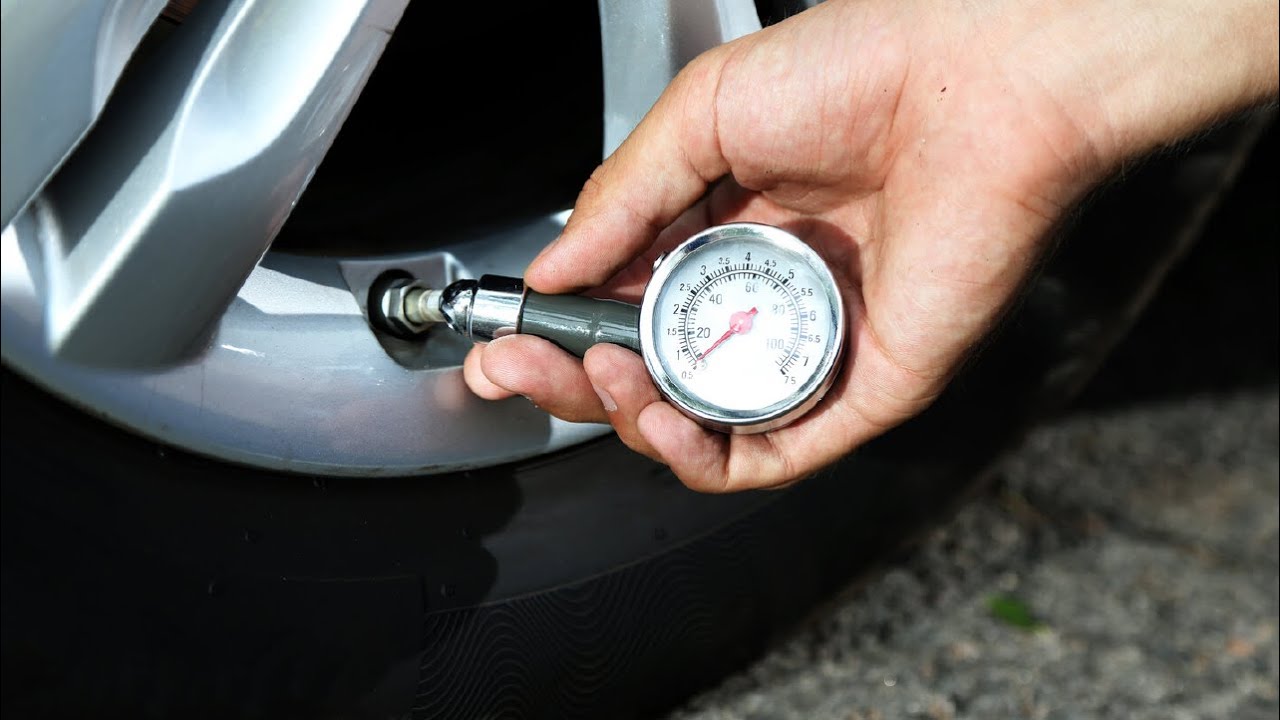
- Press gauge firmly onto valve stem hear a brief hiss, then read the display.
- Record each tire Pressures vary slightly; compare to door sticker.
- Add/remove air Use a compressor; release air by pressing the valve pin.
- Replace cap Tighten securely.
Check monthly and before long trips.
Model-Specific: How to Check Tire Pressure on Popular Vehicles
Many 2026 models integrate TPMS displays for quick glances, though manual verification is still recommended.
How to check tire pressure on Honda Civic / how to check tire pressure Honda Civic Most 2026 Civics show TPMS alerts on the dashboard. For exact PSI, use a gauge recommended cold pressure typically 32–33 PSI front/rear (check door jamb for your trim).
How to check tire pressure on Honda Accord / how to check tire pressure Honda Accord Similar to Civic 32–33 PSI common. Dashboard may show low-pressure warnings; manual gauge for precision.
How to check tire pressure on Honda CR-V / how to check tire pressure Honda CR-V Often 32–33 PSI front, 30–32 PSI rear. Some 2026 models lack individual PSI readouts on dash use gauge.
How to check tire pressure on Mazda CX-5 / how to check tire pressure Mazda CX-5 / how to check tire pressure on Mazda CX-5 Navigate Mazda Connect: Information > Vehicle Status > Maintenance Details. Recommended: 34 PSI (17″ wheels) or 36 PSI (19″ wheels) cold.
How to check tire pressure on Audi Q5 / how to check tire pressure Audi Q5 / how to check tire pressure in Audi Q5 Use MMI system or steering wheel controls to access tire pressure menu direct TPMS shows individual PSI.
How to check tire pressure on Tesla / how to check tire pressure Tesla Tap Controls > Service or Display > Tire Pressure. Many 2026 models show PSI per tire; adjust via Controls > Display units (PSI/Bar).
Always verify with manual gauge dashboard readings may lag slightly.
How to Check Tire Pressure at a Gas Station
Gas stations offer free/coin-operated air and often gauges.
- Park near air pump.
- Check cold if possible (or note warm reading and adjust).
- Use provided gauge or borrow one from counter.
- Inflate to door-jamb PSI.
- Recheck after filling—over-airing happens easily.
Many stations have digital displays on pumps for quick reads.
How to Check Tire Pressure Without a Gauge (Emergency Methods)
While not precise, these help assess urgency:
- Visual inspection Severely low tires bulge at sidewalls or sit flat.
- Thumb/Hand press Press sidewall: Proper pressure offers slight give but springs back. Too soft = low; rock-hard = overinflated.
- Weight test Load weight over wheel (inside car); excessive squat indicates low pressure.
- Trail/coin test Drive short distance; check tread imprint on soft ground (minimal bulge = good).
- TPMS light Dashboard warning signals significant loss get to gauge ASAP.
These suit how to check tire pressure without gauge situations but replace with accurate measurement quickly.
Recommended Tire Pressures for Common Models (2026 Estimates)
| Model | Typical Recommended PSI (Cold) | Notes / Where to Confirm |
|---|---|---|
| Honda Civic | 32–33 PSI (front/rear) | Driver’s door jamb; varies by trim |
| Honda Accord | 32–33 PSI | Door sticker; often uniform |
| Honda CR-V | 32–33 front, 30–32 rear | Check manual or jamb for exact |
| Mazda CX-5 | 34 PSI (17″ wheels), 36 PSI (19″) | Mazda Connect or door label |
| Audi Q5 | 35–38 PSI (varies by wheel) | MMI system; door placard |
| Tesla (various) | 42–45 PSI (common) | Touchscreen display; model-specific |
FAQ: Common Tire Pressure Questions Answered
What is the correct way to check tire pressure?
On cold tires, use a gauge on the valve stem after removing cap. Compare to door-jamb sticker PSI. Check monthly.
How do you check tire pressure at a gas station?
Park by air pump, use built-in gauge or borrow one, inflate to recommended PSI, recheck after adding air.
How do I check my tyre pressure at home?
Use a personal gauge on cold tires. Digital gauges offer easy reads; keep one in glovebox.
What is the tire pressure for a Hyundai Kona?
Typically 33–35 PSI cold (check door jamb or manual) varies by year/trim/wheel size.
How to check tire pressure on dashboard?
Access via infotainment (Tesla touchscreen, Mazda Connect, Honda/Audi menus). Alerts show when low; some display exact PSI.
Does TPMS replace manual checks?
No, TPMS warns of significant drops but may not show exact PSI or catch slow leaks early.
Why check cold tires?
Heat from driving adds 4–6 PSI; cold readings match manufacturer specs for safety/accuracy.
Conclusion: Make Tire Pressure Checks a Habit
Knowing how to check tire pressure with gauge, dashboard, or quick visual cues keeps you safer, saves money, and extends tire life. In 2026 vehicles with advanced TPMS, it’s easier than ever, but manual verification remains key for precision.
Grab a reliable gauge today, check your door jamb sticker, and test all four tires this week. Consistent checks prevent surprises on the road.
What’s your vehicle’s recommended PSI? Share below or set a monthly phone reminder. Safe driving starts with properly inflated tires!
