
Smartphones have dominated personal technology for nearly two decades, becoming extensions of our hands, minds, and social lives. Yet in 2026, the companies that built this era Apple, Meta, Google, Samsung, and others are openly planning its successor. Tech giants envision future beyond smartphones through augmented reality (AR) glasses, AI-powered wearables, spatial computing, and even brain-computer interfaces. This shift matters because the smartphone’s limitations constant screen staring, battery anxiety, and divided attention are increasingly obvious, while new devices promise seamless, context-aware computing that blends into daily life.
The stakes are enormous. Billions in R&D dollars are flowing into prototypes that could redefine how we work, communicate, shop, and learn. Early signals include Meta’s Ray-Ban smart glasses scaling production, Google’s Project Astra AI demonstrations, Apple’s quiet work on lightweight AR, and Samsung’s Galaxy XR headset. While full replacement of the smartphone may take until 2030–2040, the transition is already reshaping industries, consumer habits, and even regulatory debates. This article explores the visions, technologies, timelines, challenges, and real-world implications of a post-smartphone world.
The Smartphone Era’s Peak and Emerging Cracks
Smartphones revolutionized communication, commerce, and entertainment, but cracks are showing. Users report “phone addiction,” eye strain, and reduced real-world presence. Battery life, constant notifications, and the need to pull devices from pockets create friction. Tech leaders acknowledge this: Meta’s Mark Zuckerberg has discussed reducing phone dependency through always-on wearables, while OpenAI and others explore hardware that feels more natural.
Analysts project the global AR/VR market could reach hundreds of billions by 2030, with smart glasses as the key bridge. Shipments of AR glasses are expected to grow significantly, driven by AI integration that overlays information directly in users’ fields of view. The goal is “ambient computing” technology that anticipates needs without demanding attention.
Major Tech Giants’ Visions and Bets
Meta: All-In on AR Glasses and Social Immersion Meta has invested tens of billions in Reality Labs. Its Ray-Ban Meta smart glasses, with cameras, speakers, and AI, have sold millions and are scaling toward 10 million units annually. The company is developing more advanced AR models with holographic overlays. Zuckerberg envisions glasses as the primary device for social interaction, navigation, and AI assistance, reducing reliance on phone screens.

Apple: Ecosystem-Driven Spatial Computing Apple’s Vision Pro headset, despite modest initial sales, laid groundwork for spatial computing. Rumors point to lighter “Apple Glass” or pendant-style devices launching around 2026–2027, focusing on cameras, audio, and Siri integration without heavy displays initially. Long-term, true AR glasses with seamless iOS integration could leverage Apple’s 2+ billion device ecosystem for rapid adoption. The strategy: enter late but with superior polish and privacy focus.
Google: Open AI and Android XR Google invests heavily in AI (Project Astra) and partners with Samsung and Qualcomm on Android XR platforms. Its vision emphasizes real-time translation, object recognition, and contextual assistance through glasses or lightweight wearables. Android’s market dominance provides a broad foundation, though fragmentation across manufacturers remains a risk.
Samsung and Others: Hardware Innovation Samsung pushes foldables, XR headsets (Galaxy XR), and AI glasses. Motorola and Qualcomm explore AI pendants and wearable concepts. OpenAI is rumored to enter hardware with smart speakers or companions, while startups test AI pins and necklaces.
These efforts converge on wearables that feel like natural extensions of the body rather than separate gadgets.
Key Technologies Shaping the Post-Smartphone Future
AR Glasses and Spatial Computing Lightweight frames with transparent displays, cameras, microphones, and on-device AI will overlay directions, translations, reminders, or virtual objects onto the real world. Early versions (like Ray-Ban Meta) handle audio and capture; advanced ones will project holograms. Challenges include battery life, field of view, weight, and social acceptance (the “glasshole” problem).
AI Wearables and Ambient Assistants Devices like pendants or pins with always-listening AI could handle tasks via voice or gestures, remembering contexts (e.g., “Where did I leave my keys?”). On-device processing preserves privacy while cloud AI handles complexity.
Brain-Computer Interfaces (BCIs) Companies like Neuralink explore direct thought-to-device links, starting with medical applications but eyeing consumer uses like hands-free control.
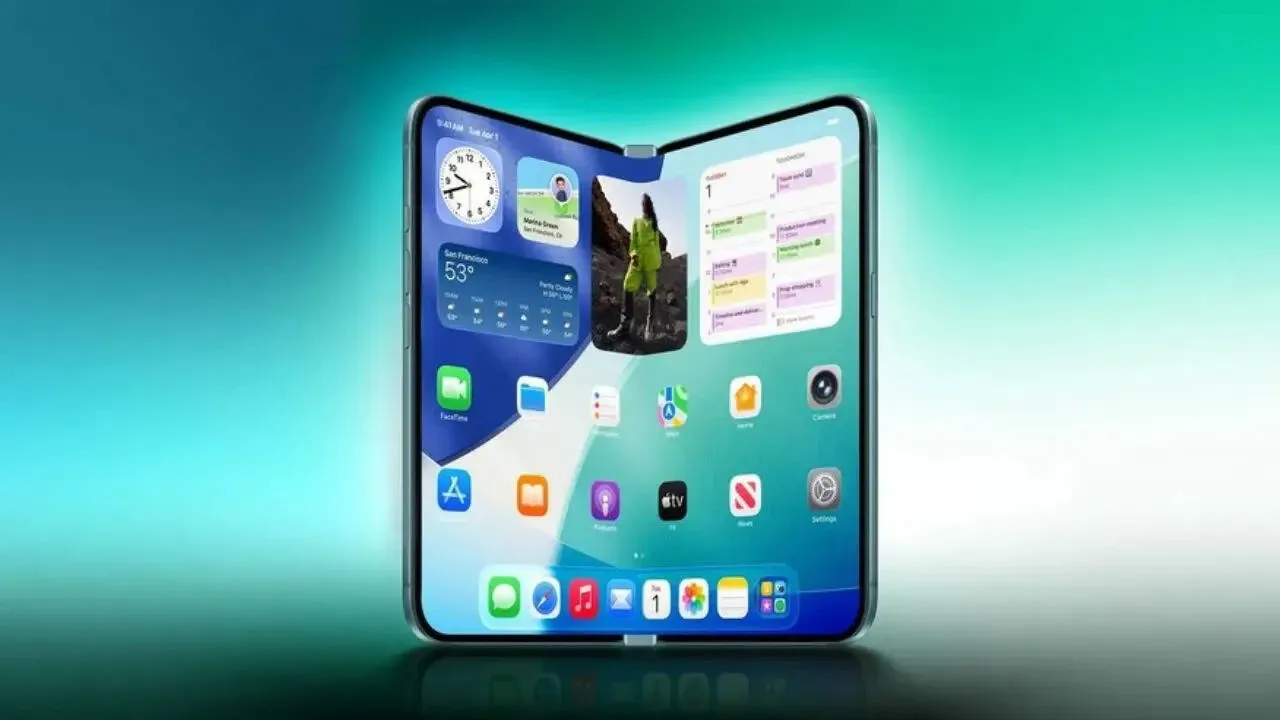
Foldables and Hybrid Devices While not replacements, ultra-thin foldables or modular designs extend the smartphone’s relevance during transition.
Timeline and Adoption Projections
- 2025–2027: Early consumer AR glasses and AI wearables launch or scale (Meta Hypernova, potential Apple Glass). Smartphones remain primary.
- 2028–2032: Mainstream adoption as batteries improve, prices drop, and apps mature. Phones become secondary “hubs.”
- 2035+: Potential full shift where wearables and ambient systems handle most interactions.
Analysts forecast AR glass shipments reaching tens of millions by late 2020s, with true replacement farther out.
Challenges and Barriers to Adoption
Technical hurdles include all-day battery life, comfortable fit, heat management, and high-quality transparent displays. Social and regulatory issues involve privacy (always-on cameras), health (eye strain, motion sickness), and accessibility. Economic factors—high initial prices and developer ecosystems will slow uptake. Consumer resistance to new form factors is real; many prefer the familiar pocket device.
Ethical questions arise around constant connectivity, data collection, and digital divides. Regulators in Europe and the U.S. are already scrutinizing AI wearables for privacy implications.
Broader Impacts on Society and Industry
A post-smartphone world could boost productivity through hands-free information access, improve safety (e.g., AR navigation for drivers or surgeons), and enhance accessibility for those with disabilities. However, it risks deepening screen fatigue in new forms or widening inequality if premium devices remain expensive.
Industries like fashion (stylish frames), healthcare (AR training), education (immersive learning), and advertising (contextual overlays) will transform. Traditional smartphone makers must pivot or partner to survive.
Table: Tech Giants’ Key Post-Smartphone Bets (2026 Outlook)
| Company | Primary Focus | Key Products/Prototypes | Timeline Highlights | Strengths | Risks |
|---|---|---|---|---|---|
| Meta | AR Glasses & Social AI | Ray-Ban Meta, Hypernova | Scaling 2025–2026 | Fashion + AI integration | High R&D losses, privacy |
| Apple | Spatial Computing & Ecosystem | Vision Pro, upcoming AR Glass/Pendant | 2026–2027 launches | Seamless integration, privacy | High price, battery life |
| AI & Open Android XR | Project Astra, partnerships with Samsung | Ongoing demos, 2026 devices | Open ecosystem, AI leadership | Fragmentation across devices | |
| Samsung | XR Headsets & Foldables | Galaxy XR, AI glasses | 2026 expansions | Hardware expertise | Competition from pure AI plays |
FAQ: Common Questions About the Post-Smartphone Future
When will AR glasses replace smartphones?
Most experts predict mainstream adoption between 2030–2035, with full replacement possibly by 2040. Early practical use begins sooner for specific tasks.
What role will AI play in devices beyond smartphones?
AI will act as a constant, context-aware assistant handling translations, reminders, object recognition, and proactive suggestions without requiring users to look at screens.
Are current smart glasses good enough for everyday use?
Basic models like Ray-Ban Meta excel at audio, capture, and simple AI queries, but full AR overlays with wide fields of view and all-day comfort are still maturing.
How will privacy work in always-on wearable tech?
On-device processing and user controls will be critical. Companies emphasize consent and transparency, but regulatory scrutiny is increasing.
Will foldable phones delay the shift beyond smartphones?
Foldables extend the smartphone era by improving portability and multitasking, but they are transitional rather than end-game solutions.
What about brain-computer interfaces?
BCIs like Neuralink start with medical applications (e.g., helping paralyzed users) and may reach consumers later for hands-free control.
How should consumers prepare for these changes?
Stay informed about privacy settings, experiment with current wearables, and consider how new devices fit personal needs rather than chasing every launch.
Conclusion: A Seamless, Intelligent Future Is Taking Shape
Tech giants envision future beyond smartphones not as sudden obsolescence but as gradual evolution toward more intuitive, less intrusive technology. AR glasses, AI wearables, and spatial computing promise to reduce screen dependency while expanding capabilities overlaying helpful information, anticipating needs, and blending digital and physical worlds.
Challenges remain formidable, from technical hurdles to societal acceptance, but the momentum is unmistakable. Billions are being invested because the potential reward a multi-trillion-dollar shift in personal computing is enormous.
Stay curious and critical as prototypes become products. Follow developments from trusted sources like official company announcements or analyst reports. What aspect of the post-smartphone era excites or concerns you most? Share your thoughts below, and consider how these changes might reshape your daily routine starting today. The future is being built now prepare to engage with it thoughtfully.
