

In an era where bridal traditions are constantly evolving, the bride dressed in black is emerging as a powerful symbol of individuality and modernity. Gone are the days when white was the unchallenged standard for wedding gowns today’s brides are embracing darker hues to make bold statements about their personal style, cultural roots, and values. This shift isn’t just a fleeting trend; it’s a redefinition of bridal fashion that challenges long-held norms and celebrates diversity. With searches for black wedding dresses surging in recent years, influenced by celebrities and social media, this choice reflects a broader movement toward inclusivity and self-expression in weddings. Whether rooted in historical practicality or contemporary empowerment, the black wedding dress is proving that bridal elegance can thrive beyond the conventional palette. In this article, we’ll explore the rich history, symbolic depths, and practical styling tips behind this transformative trend, offering insights for brides ready to step outside the box.
The History of Black Wedding Dresses
The concept of a bride dressed in black may seem avant-garde, but it has deep historical roots that predate the white gown popularized by Queen Victoria in 1840. Before the Victorian era, brides in Western Europe often wore practical colors like black, which could be reused for other formal occasions such as church services or funerals. In regions like Finland during the 18th and 19th centuries, black bridal wear was common, extending beyond specific areas like Ostrobothnia and reflecting a tradition of multifunctional attire. Similarly, in Norway from the mid-1800s, black dresses served dual purposes, allowing brides to repurpose them for everyday solemn events.
This black wedding dress history is particularly prominent in Spain, where Roman Catholic brides wore black to symbolize unwavering loyalty to their husbands “until death do us part.” From the 1800s to the 1960s, Spanish wedding dresses were predominantly black due to economic realities many women could afford only one fancy gown in their lifetime, and black’s versatility made it a sensible choice. Evidence of black wedding dresses dates back over 200 years, with examples from the Victorian era and even Gothic influences persisting into the 1880s. By the 1870s, white began dominating, but black lingered in some cultures, highlighting how bridal fashion was once driven by utility rather than symbolism alone.
Understanding this black wedding dress history reveals that the modern resurgence isn’t entirely new it’s a revival of practical, meaningful choices that honor heritage while pushing boundaries.
Cultural Traditions and Symbolism of Black Wedding Dresses
The black wedding dress tradition varies across cultures, often carrying layers of meaning beyond aesthetics. In Spain, as mentioned, it represented eternal devotion, a vow echoed in the phrase “till death do us part.” In some Asian contexts, black symbolizes strength and a sacred commitment, contrasting with Western associations of mourning. Finnish brides in black during earlier centuries embodied regional customs where the color denoted elevation and authority.
Black Wedding Dress Meaning Spiritual
On a deeper level, the black wedding dress meaning spiritual often ties to themes of power, mystery, and transformation. Black is associated with elegance, sensuality, and intellect, evoking a sense of timeless sophistication. Astrologically, it links to Scorpio and universal connections, symbolizing resilience and depth. In spiritual contexts, wearing black can signify a profound bond, like a bride’s lifelong pledge. Some interpretations view it as an invitation to embrace one’s true self, free from societal expectations.
What Does a Bride in Black Mean?
A bride in black often embodies boldness and non-conformity. It can mean a departure from tradition, signaling strength, mystery, and modernity. In some views, it reflects social status or wealth, as black dyes were once expensive. Today, it means empowerment, allowing brides to curate a vibe that’s sophisticated and distinguished.
Debunking Myths: Is a Black Wedding Dress Bad Luck?
One common question is, “Is a black wedding dress bad luck?” Historically, black’s association with mourning and death led to superstitions, viewing it as a harbinger of misfortune for marriages. In some cultures, it was seen as malevolent or a sign of disapproval. However, modern perspectives debunk this luck is subjective, and black is now embraced as chic and festive if styled appropriately. Many brides report no ill effects, emphasizing that personal belief shapes outcomes.
What does wearing black to a wedding symbolize? Once taboo, implying mourning or protest, it’s now a symbol of elegance and versatility, especially for guests. For brides, it symbolizes power and resilience.
Modern Trends: Black Brides and Celebrity Influences
Black brides are at the forefront of this trend, with resources like Black Bride magazine highlighting multicultural weddings and diverse styles. Platforms showcase black bride photos that inspire, from elegant gowns to bold accessories, proving black is flattering and timeless.

Black bridesmaid dresses are also rising, offering chic, reusable options in fabrics like chiffon or satin. They suit winter or formal weddings, flattering all body types.
| Aspect | Traditional White Wedding Dress | Black Wedding Dress |
|---|---|---|
| Symbolism | Purity, innocence | Strength, mystery, commitment |
| Practicality | Often one-time use | Versatile for reuse |
| Cultural Roots | Victorian influence | Spanish, Finnish traditions |
| Modern Appeal | Classic, romantic | Bold, edgy |
| Superstition | Good luck | Once bad luck, now neutral |
| Styling Flexibility | Light accessories | Dramatic contrasts |
Is it okay for the bride to wear black? Absolutely it’s a personal choice that’s increasingly celebrated for its sophistication. To elevate it, focus on venue and theme compatibility.
How to Make a Black Dress Look Bridal
Transform a black dress into bridal attire by adding a veil, pearl sash, or jeweled belt. Incorporate pops of color like pastels or metallics for softness. Pair with black heels or gloves for drama.
Bride Dressed in Black and White
The bride dressed in black and white offers timeless contrast, blending drama with purity. Collections feature lace overlays or sashes for a balanced look. It’s ideal for modern venues like gardens or rooftops.
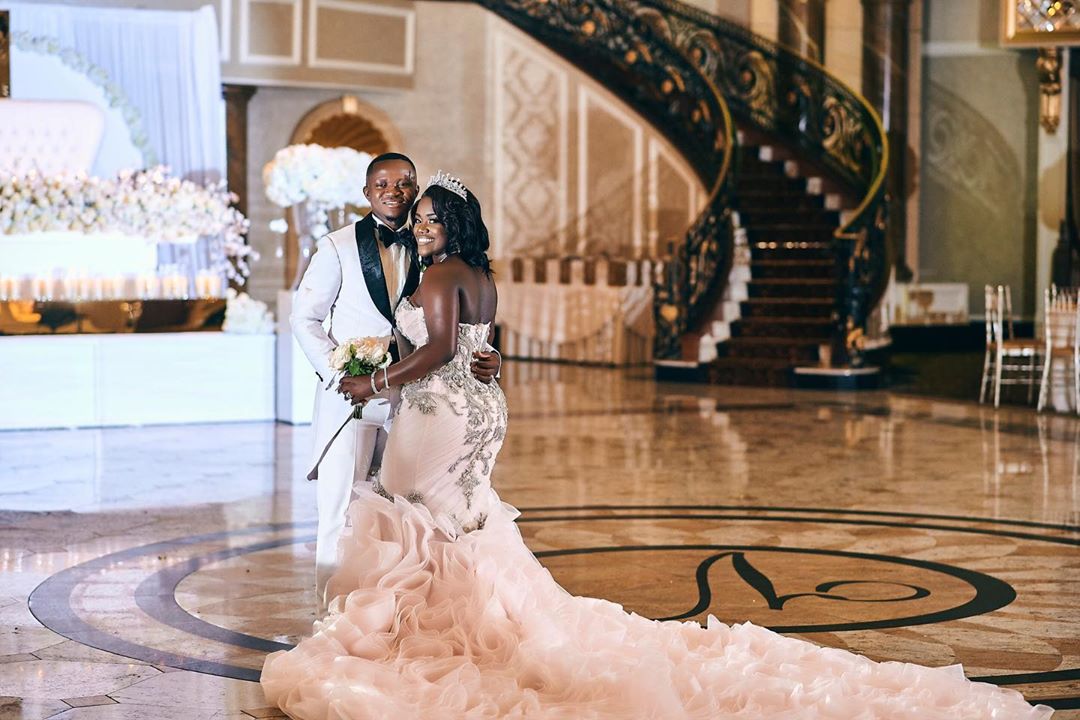
Black Wedding Dress Meaning in a Dream
Dreaming of a black wedding dress can signify deeper intimacy, perhaps spiritual growth or confronting fears about commitment. It might represent non-traditional paths or inner conflicts. In some interpretations, it’s a positive omen of mysteries unfolding.
FAQ
What does a bride in black mean?
It often signifies boldness, strength, and a break from tradition, embodying mystery and lifelong devotion.
Is it okay for the bride to wear black?
Yes, it’s a modern, empowering choice that’s widely accepted today.
What does wearing black to a wedding symbolize?
Historically mourning, but now elegance and festivity when styled right.
How to make a black dress look bridal?
Add bridal elements like veils, sashes, or jewelry to enhance its bridal appeal.
Is a black wedding dress bad luck?
No, this myth is outdated; it’s about personal belief.
What is the black wedding dress meaning spiritual?
It can represent power, sensuality, and spiritual elevation.
What is the black wedding dress meaning in a dream?
It may indicate fears, transformations, or deeper connections.
Conclusion
The bride dressed in black is more than a fashion statement it’s a redefinition of bridal norms, blending history, symbolism, and modernity. From its practical roots in black wedding dress history to its spiritual meanings and styling versatility, this trend empowers brides to celebrate their uniqueness. Whether opting for a full black gown or a bride dressed in black and white, the key is authenticity. If you’re planning your wedding, consider how a black dress could reflect your story explore designers, consult stylists, and embrace the bold. Your big day deserves to be as distinctive as you are.
