
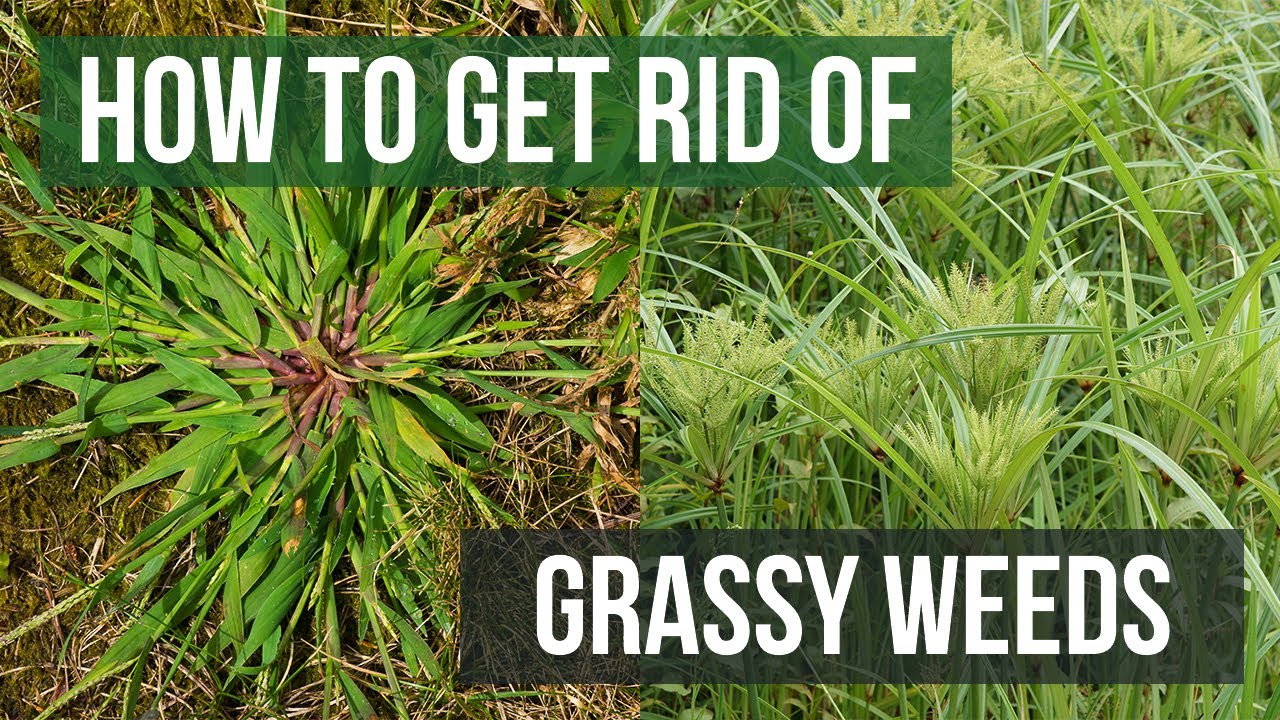
Weeds compete with your prized vegetables, flowers, and lawn grass for sunlight, water, and nutrients. They can reduce yields in a vegetable patch by 30–50% if left unchecked and make lawns look patchy. In 2026, with growing interest in organic gardening and restrictions on synthetic herbicides in many areas, homeowners seek safe, effective ways to tackle weeds.
The good news: You can achieve excellent control using natural methods that protect desirable plants. This guide covers proven gardening tips on how to get rid of weeds safely focusing on prevention, manual removal, mulch, targeted natural killers, and long-term strategies. Whether you’re dealing with a vegetable bed, lawn, or paving cracks, these approaches minimize harm to your garden while delivering results.
Why Weeds Keep Coming Back and Why Prevention Beats Cure
Weeds thrive on bare soil, disturbed ground, and sunlight. Seeds blow in, lie dormant for years, or spread via roots. The key to how to stop weeds from growing permanently lies in denying them these conditions rather than just killing what’s visible.
Prevention strategies like dense planting, thick mulch layers, and healthy soil outcompete weeds naturally. Once established, a combination of manual and cultural methods provides the most sustainable control.
Hand Pulling and Hoeing: The Foundation of Safe Weed Removal
For small areas or spot treatments, nothing beats physical removal. Pull weeds after rain when soil is soft grasp at the base and extract the root to prevent regrowth.
Use a hoe for larger patches: A sharp stirrup or scuffle hoe slices weeds just below the surface on sunny days, drying them out quickly. This works well in how to get rid of weeds in vegetable garden rows without disturbing crop roots.
Tip: Weed early and often before plants set seed. One dandelion can produce thousands of seeds.
Mulch: Your Best Natural Weed Barrier
Mulch tops every list of how to get rid of weeds naturally. A 2–4 inch layer blocks light, retains moisture, moderates soil temperature, and adds organic matter as it breaks down.
Effective mulches:
- Straw or hay (weed-free certified)
- Shredded leaves
- Wood chips (aged for vegetable beds)
- Cardboard or newspaper topped with organic material
Apply after weeding and watering. In vegetable gardens, this suppresses weeds for months while feeding soil microbes. For lawns, avoid thick layers use thin grass clippings instead.
Natural Spot Treatments: Vinegar, Boiling Water, and More
For isolated weeds near desired plants, targeted applications work without broad damage.
- Vinegar: Household white vinegar (5% acetic acid) burns foliage on contact; horticultural vinegar (20–30%) is stronger for tougher weeds. Add dish soap as a surfactant and spray on sunny days. Effective for young annuals but less so on perennials with deep roots.
- Boiling water: Pour directly on weeds in paving or gravel scalds tops and often roots in cracks. Avoid near plants.
- Salt: A pinch at the base dehydrates weeds in non-growing areas like driveways, but never use in gardens or lawns salt persists and harms soil.
These suit how to get rid of weeds in paving or paths but require precision to avoid drift.
Weed Control in Lawns: Keep Grass Strong to Crowd Out Invaders
A thick, healthy lawn is the best defense against weeds. Mow high (3–4 inches), water deeply but infrequently, fertilize organically, and overseed bare spots.
For existing weeds:
- Hand-pull broadleaf types like dandelions.
- Use corn gluten meal as a pre-emergent in spring to inhibit germination.
- Improve soil aeration and pH for better grass vigor.
These steps support how to get rid of weeds without killing grass naturally and reduce future invasions.
Tackling Large Areas: Solarization and Smothering
For big infestations or new beds, solarization heats soil under clear plastic for 4–6 weeks in summer, killing seeds and shallow roots. Mow low first, water, cover tightly, and let sun do the work.
Smothering with cardboard/newspaper plus mulch works year-round for beds great for how to get rid of weeds in the garden for good in prepared areas.
Comparison of Natural Weed Control Methods
| Method | Best For | Speed | Plant Safety | Long-Term Effect | Cost |
|---|---|---|---|---|---|
| Hand Pulling/Hoeing | Vegetable gardens, small patches | Immediate | High | Good if consistent | Low |
| Mulch (2–4 inches) | Beds, around plants | Preventive | Very High | Excellent suppression | Low–Medium |
| Vinegar Spray | Spot treatment, young weeds | 1–3 days | Medium (avoid drift) | Temporary | Low |
| Boiling Water | Paving cracks, gravel | Immediate | High if targeted | Temporary | Free |
| Solarization | Large cleared areas | 4–8 weeks | High after removal | Kills seeds/roots | Low |
| Corn Gluten Meal | Lawns (pre-emergent) | Preventive | High | Reduces germination | Medium |
FAQ: Common Questions About Getting Rid of Weeds Safely
How to get rid of weeds in the garden without killing plants?
Prioritize mulch, hand pulling, and hoeing. For spots, use careful vinegar sprays or boiling water only on weeds never broadcast.
How to stop weeds from growing permanently?
No method is 100% permanent due to seed banks, but thick mulch, dense planting, healthy soil, and consistent removal come closest. Combine smothering and prevention for near-permanent control in beds.
What’s the best way to remove weeds from a large area?
Solarize in summer or smother with cardboard/mulch. For lawns, improve turf health to outcompete weeds.
How to get rid of weeds in lawn naturally?
Mow high, overseed, aerate, use corn gluten meal preventatively, and hand-pull broadleaf weeds. Strong grass crowds them out.
How to get rid of weeds fast?
Boiling water or vinegar on sunny days kills visible growth in hours to days, but roots may regrow follow with prevention.
How to get rid of weeds in vegetable garden?
Mulch heavily between rows, hoe regularly, pull by hand, and use companion plants like marigolds to deter some pests/weeds.
How to control weeds long-term without chemicals?
Build soil health, mulch annually, remove weeds before seeding, and maintain dense plantings prevention outperforms reaction.
Conclusion: A Weed-Smart Garden Starts Today
Mastering how to get rid of weeds without harming plants relies on prevention (mulch, healthy soil) and targeted action (pulling, natural spot killers). These methods protect pollinators, soil life, and your edibles while delivering lasting results.
Start small: Weed one bed thoroughly, apply 3 inches of mulch, and maintain weekly checks. You’ll see fewer weeds each season.
Ready to reclaim your garden? Grab gloves and mulch this weekend what’s your biggest weed challenge? Share below or check extension services for local advice. Your healthier, low-maintenance garden awaits.
