
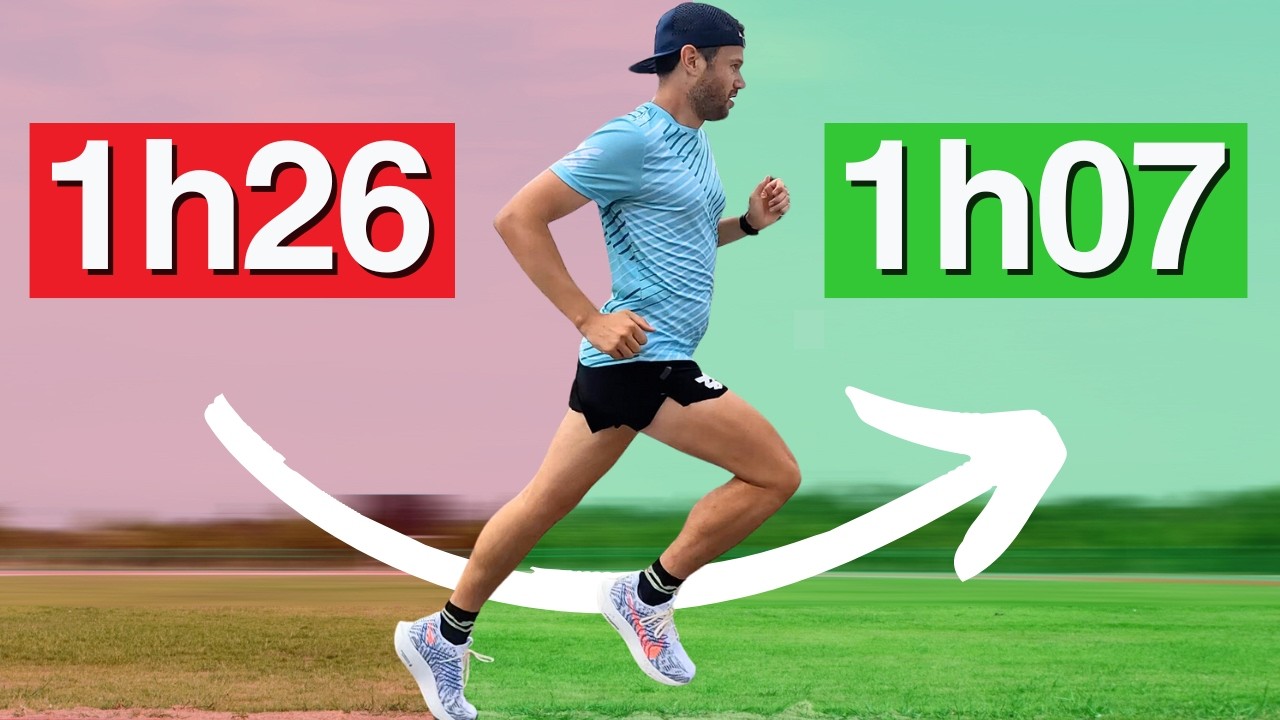
Completing a marathon sounds impossible to most people who have never run more than a 5K. The distance 26.2 miles or 42.195 km feels overwhelming, and stories of elite athletes and grueling training plans can scare beginners away. Yet thousands of ordinary people cross the finish line every year with zero prior marathon experience.
In fact, roughly 1.1 million runners worldwide finish a marathon annually, representing only about 0.01% to 0.05% of the global population. Lifetime estimates suggest fewer than 1% of people ever complete one. That rarity makes the achievement special, but it also proves how to run a marathon is accessible with the right approach. You do not need athletic talent or years of running history just consistency, smart training, and realistic expectations.
This guide shows exactly how to run a marathon for beginners, even if you start from the couch. Follow a proven plan, avoid common mistakes, and you can finish your first 26.2 in 12–18 months (or sooner). Many first-timers succeed every year, and you can too.
Why Anyone Can Run a Marathon: The Reality Check
The biggest myth is that you need to be “a runner” already. Most first-time marathoners begin as casual joggers or walkers. Data from major races shows 50–55% of participants are running their first full marathon. Finish rates for prepared beginners often exceed 90% in well-supported events.
The key? Progressive training that builds mileage safely. Skip the “how to run a marathon without training” shortcuts those lead to injury or DNFs. Instead, commit to 12–18 months of gradual build-up, and the distance becomes doable.
Step-by-Step: How to Run a Marathon for the First Time
1. Build a Base (2–6 Months Before Training) Start by running or run-walking 3–4 times per week. Aim for 20–30 minutes per session at an easy pace where you can talk comfortably. Track progress with apps like Strava or Nike Run Club. Once you can run 5–8 km comfortably, you’re ready for a structured plan.
2. Pick Your Race and Goal Choose a beginner-friendly marathon with good crowd support (Chicago, London, or local events). Popular options include charity programs that provide coaching and fundraising support (how to run a marathon for a charity is ideal for motivation and extra resources). Set a realistic goal: many first-timers aim to finish, not race for time.
3. Follow a Proven Marathon Training Plan The gold standard for beginners is Hal Higdon’s Novice 1 plan (18 weeks, free online). It includes only 3–4 runs per week, cross-training days, and long runs that peak around 32 km. Other solid options include Jeff Galloway’s run-walk method or Nike Run Club plans.
A typical weekly structure for beginners:
- 3–4 runs (easy, speed/tempo, long)
- Strength training 2x/week
- Rest or cross-train the rest
4. Master the 80/20 Rule in Running This is one of the most important marathon tips for first timers. Spend 80% of your weekly mileage at easy, conversational pace and only 20% at harder efforts (tempo runs or intervals). Research on elite runners like Eliud Kipchoge confirms this polarized approach builds aerobic base without burnout or injury. Easy days should feel almost too slow think 60–90 seconds slower than goal marathon pace.
5. Incorporate Strength, Nutrition, and Recovery Add bodyweight or gym work for hips, glutes, and core to prevent injury. Fuel with carbs before long runs, hydrate well, and prioritize sleep. Listen to your body rest when needed.
Sample 18-Week Beginner Marathon Training Plan Overview
Here’s a simplified version inspired by Hal Higdon’s Novice 1 (adjust based on your pace):
| Week | Total Weekly Mileage (approx.) | Key Workouts | Long Run Distance |
|---|---|---|---|
| 1–4 | 15–25 miles | 3 easy runs + 1 cross-train | 8–12 miles |
| 5–8 | 25–35 miles | Add 1 tempo run | 14–16 miles |
| 9–12 | 35–45 miles | Speed work + long run | 18–20 miles |
| 13–16 | 40–50 miles | Peak mileage week | 20–22 miles |
| 17–18 | Taper (20–30 miles) | Easy runs + rest | 8–12 miles (race week) |
Top 10 Tips for Running Your First Marathon
- Run the mile you’re in focus on one aid station at a time.
- Practice race-day nutrition during long runs (gels, chews, water).
- Break the race into segments (e.g., three 8–9 mile chunks).
- Use the run-walk method if needed (Galloway style works wonders).
- Train in all weather, including how to run a marathon in the rain wear a lightweight waterproof jacket, hat with visor, and extra socks in your gear bag.
- For how to run a marathon faster or how to run a marathon under 4 hours, add consistent tempo runs and aim for even or negative splits.
- Women-specific advice (how to run a marathon as a woman): Track your cycle, increase iron-rich foods, and consider extra recovery around menstruation.
- Join a group or charity team for accountability.
- Taper properly reduce mileage 2–3 weeks before race day.
- Celebrate every long run as a victory.
Special Scenarios: Rain, Speed, Charity, and More
How to run a marathon in the rain: Stay dry at the start line (trash bag poncho), wear quick-dry layers, apply anti-chafing balm generously, and adjust pace slightly slower to avoid slips. Many runners actually enjoy cooler conditions.
How to run a marathon under 4 hours: Requires stronger base mileage (40+ weekly) and goal pace practice around 5:40–6:00 min/km. Most beginners finish between 4:30–6:00 hours.
How to run a marathon for a charity: Programs like Team in Training or local foundations offer free coaching, entry fees covered through fundraising, and built-in community support.
Check how to run a marathon reddit threads (r/Marathon_Training and r/running) for real stories common advice is “trust the taper” and “the wall is mental.”
Is 12 km in 1 Hour Good?
Yes! Running 12 km in 60 minutes equals a 5:00 min/km pace. For beginners, this is strong fitness. Most new runners start closer to 6:30–8:00 min/km. It shows you have solid endurance and speed potential for marathon training.
Comparison Table: Beginner vs. Intermediate Goals
| Aspect | Beginner Goal (First Marathon) | Intermediate Goal (Sub-4 or Faster) |
|---|---|---|
| Weekly Mileage Peak | 35–45 miles | 50–60+ miles |
| Long Run Peak | 20–22 miles | 22–24 miles |
| Target Finish Time | 4:30–6:00+ hours | Under 4 hours |
| Training Focus | Consistency + injury prevention | Speed work + race-pace runs |
| Recommended Plan | Hal Higdon Novice 1 | Hal Higdon Intermediate 1 |
FAQ: Answering Your Biggest Questions
How do you run a marathon for the first time?
Build a base, follow an 18-week beginner plan like Hal Higdon Novice 1, run long runs weekly, taper, and focus on finishing rather than time. Most prepared first-timers succeed.
What is the 80% rule in running?
It means 80% of your training volume should be easy (conversational pace) and 20% hard. This builds aerobic strength efficiently and reduces injury risk.
Is 12 km in 1 hour good?
Absolutely for beginners or intermediates. It’s a strong pace that indicates good fitness for marathon training.
Is it true only 1% of people run a marathon?
Yes, roughly 0.01–0.05% finish one each year, and lifetime estimates put it under 1% of the global population. Joining that group is a rare achievement.
How long does it take to train for a marathon as a beginner?
Most need 4–6 months of dedicated training after building a base, or up to a year total starting from zero running experience.
What’s the best marathon training plan for first timers?
Hal Higdon’s Novice 1 remains the most popular and proven free option worldwide.
Can I run a marathon faster after my first one?
Yes, experience teaches pacing, fueling, and mental toughness. Many runners drop 20–60 minutes on their second attempt.
Ready to Start Your Marathon Journey?
How to run a marathon without experience is not about talent it’s about showing up consistently for months. Grab a beginner plan, lace up your shoes, and commit to the process. Thousands of ordinary people including busy parents, full-time workers, and complete beginners cross that finish line every year.
Pick your race today, download Hal Higdon’s Novice 1 plan, and start with one easy run this week. In 12–18 months, you could be wearing a finisher’s medal and joining the exclusive club of marathoners.
You’ve got this. What’s stopping you? Share your goal race or first training run in the comments I’d love to cheer you on.
