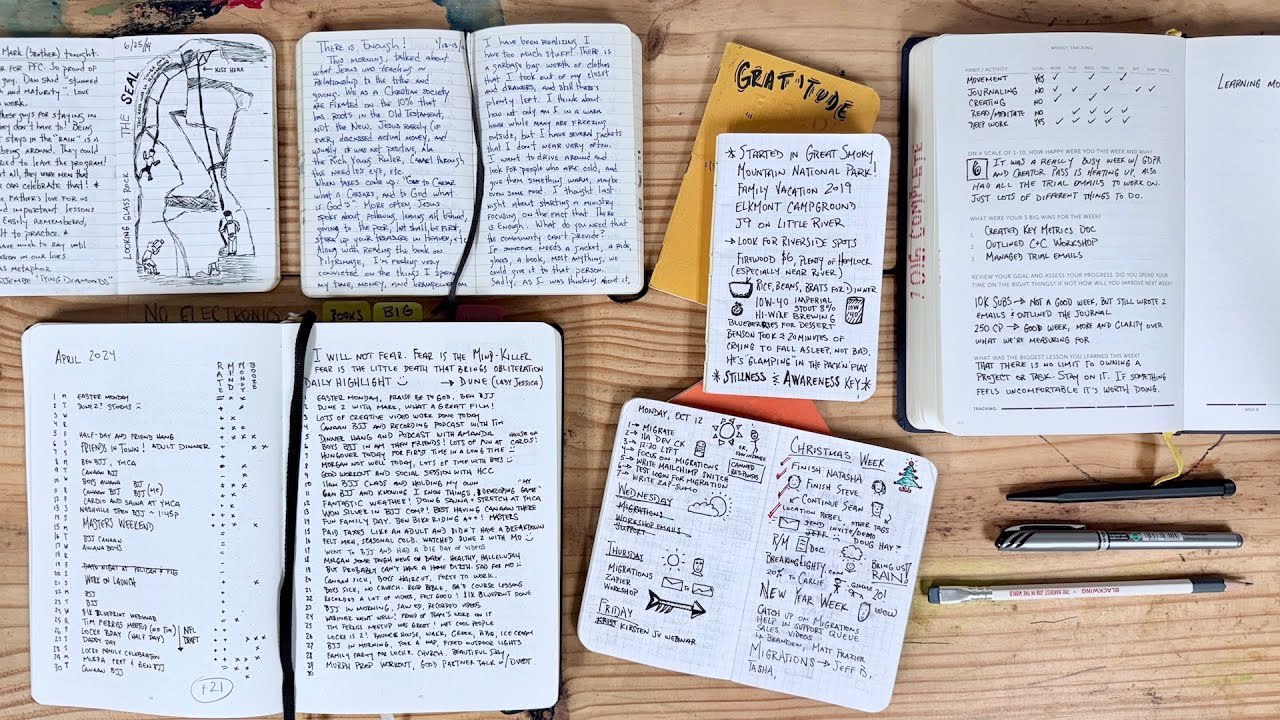
In our fast-paced world, stress builds quickly from work deadlines, relationships, health worries, and endless notifications. Many people feel overwhelmed, anxious, or stuck in negative thought loops. The good news? A simple, low-cost tool can help: journaling. Research shows that regular writing about thoughts and feelings reduces stress, improves mood, boosts emotional regulation, and supports overall mental health.
Journaling isn’t about perfect handwriting or poetic prose it’s about giving your mind space to process. Whether you’re dealing with daily pressures or deeper anxiety, the right journaling techniques can bring clarity, calm, and even joy. This guide explores 10 powerful journaling techniques to try right now, from beginner-friendly options to creative and therapeutic approaches. By the end, you’ll have practical ways to start a habit that truly helps.
Why Journaling Works for Stress and Mental Health
Putting pen to paper (or fingers to keyboard) externalizes racing thoughts. Studies link expressive writing to lower cortisol levels, better immune function, and reduced symptoms of anxiety and depression. It helps identify patterns like recurring worries and fosters self-compassion.
For those new to it, journaling techniques for beginners focus on consistency over complexity. Start with 5-10 minutes daily. No judgment needed just honest expression. Over time, this practice builds resilience and emotional awareness.
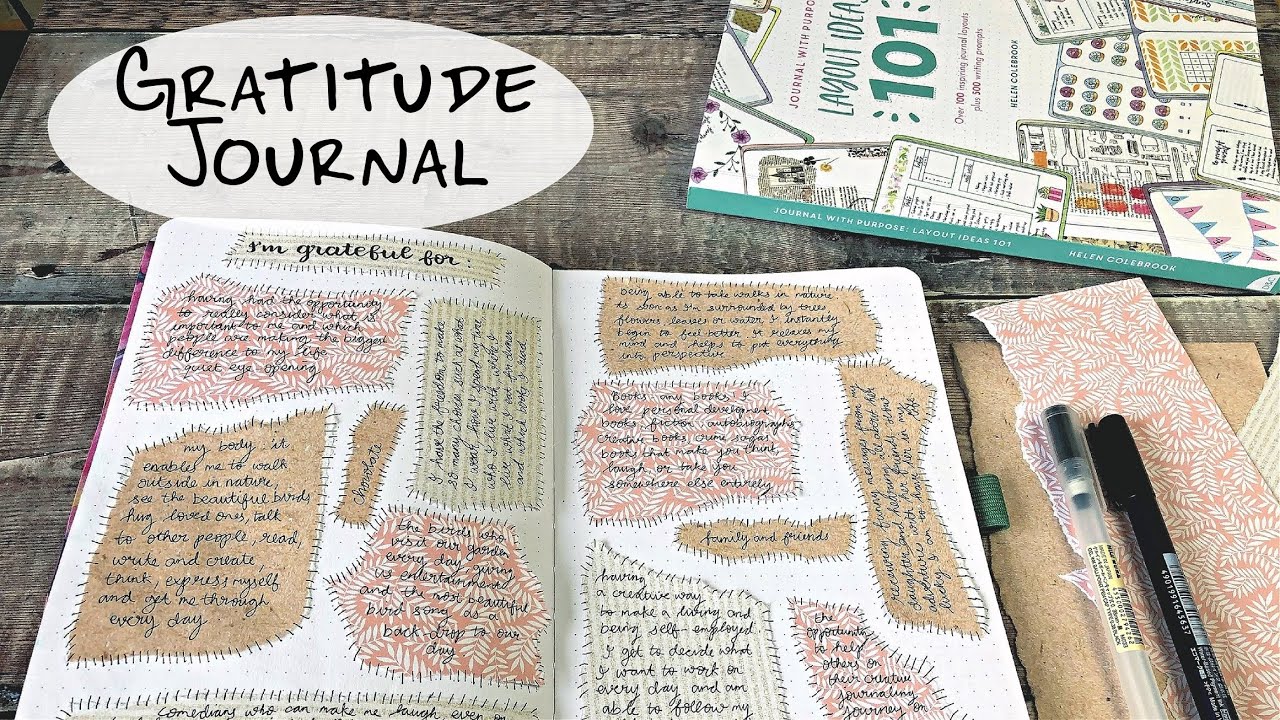
1. Gratitude Journaling Techniques to Try
One of the most researched and uplifting methods is gratitude journaling techniques. Focusing on positives rewires the brain toward optimism.
- Write 3-5 specific things you’re thankful for each day.
- Be detailed: Instead of “family,” note “the way my partner made coffee this morning and asked about my day.”
- Try subtraction: Imagine life without something you value to deepen appreciation.
This technique boosts mood quickly and counters stress by shifting focus from lacks to abundances. Many find it easiest before bed.
2. Bullet Journaling Techniques
Bullet journaling techniques combine planning, tracking, and reflection in one customizable system perfect for organized minds.
Created by Ryder Carroll, it uses an index, future log, monthly logs, and daily entries with simple symbols (• for tasks, – for notes, ! for priority).
For stress relief, add mood trackers or habit logs. Beginners start simple: no fancy art required. It reduces overwhelm by capturing everything in one place, freeing mental energy.
3. Journaling Techniques for Clarity
When decisions feel foggy, journaling techniques for clarity cut through confusion.
Try stream-of-consciousness writing: Set a timer for 10 minutes and write without stopping. No editing. This “brain dump” reveals hidden priorities.
Another: The “5 Whys” prompt ask “why” five times about a feeling or goal to uncover root causes. This method brings sharp insights and reduces decision fatigue.
4. Best Journaling Techniques for Mental Health
Among the best journaling techniques, expressive writing stands out for processing tough emotions.
Write freely about a stressful event for 15-20 minutes, focusing on deepest feelings. Research shows this reduces distress over time.
Combine with reflection: End by noting what you learned or how you’ll move forward. It’s therapeutic without needing a therapist present.
5. Junk Journaling Techniques
For creative outlets, junk journaling techniques repurpose “junk” tickets, receipts, magazine clippings into personalized books.
Layer ephemera with washi tape, doodles, and notes. It’s forgiving and fun, ideal for those who dislike blank pages. This technique encourages mindfulness through tactile creation and preserves memories playfully.
6. Dream Journaling Techniques
Unprocessed dreams fuel subconscious stress. Dream journaling techniques capture them upon waking.
Keep a notebook bedside. Write immediately: Describe scenes, emotions, people. Look for recurring symbols later.
This practice improves recall and uncovers insights about daily anxieties. Over time, it enhances self-awareness and creativity.
7. Creative Journaling Techniques and Art Journaling Techniques
Creative journaling techniques blend writing with visuals for deeper expression.
Art journaling techniques and mixed media art journaling techniques involve painting backgrounds, collaging images, adding stamps, or doodling over text.
Start with acrylics, markers, and found papers. No skill required it’s about process, not perfection. This releases emotions non-verbally and reduces anxiety through flow states.
8. CBT Journaling Techniques
CBT journaling techniques draw from cognitive behavioral therapy to challenge unhelpful thoughts.
Use a thought record: Columns for Situation, Automatic Thought, Emotion (rate intensity), Evidence For/Against, Balanced Alternative, and Outcome.
Example prompts: “What cognitive distortion am I using (catastrophizing, all-or-nothing)?” This rewires negative patterns effectively for anxiety and depression.
9. Daily Journaling Techniques
Daily journaling techniques build consistency.
Morning: Set intentions (“What do I want to feel today?”).
Evening: Reflect (“Wins? Challenges? Gratitude?”).
Keep it short 5 minutes. Apps or simple notebooks work. Routine turns journaling into a grounding habit.
10. Journaling Techniques for Anxiety
Journaling techniques for anxiety target worry spirals.
Worry dump: List fears, then challenge with “What’s the evidence?” or “What’s the worst/best/most likely outcome?”
Reframe: Write anxious thought, then a compassionate response as if advising a friend.
Track triggers and patterns to regain control. Many report noticeable calm after weeks.
Comparison of Popular Journaling Techniques
Here’s a quick table comparing key approaches:
| Technique | Best For | Time Needed | Creativity Level | Mental Health Benefit |
|---|---|---|---|---|
| Gratitude Journaling | Boosting positivity | 5-10 min | Low | Increases optimism, reduces stress |
| Bullet Journaling | Organization & tracking | 10-20 min | Medium | Reduces overwhelm, builds structure |
| CBT Journaling | Challenging thoughts | 15 min | Low | Targets anxiety/depression patterns |
| Art/Mixed Media Journaling | Emotional expression | 20+ min | High | Promotes flow, non-verbal release |
| Dream Journaling | Subconscious insights | 5-10 min | Medium | Improves self-awareness |
| Junk Journaling | Creative upcycling | Variable | High | Fun, mindful crafting |
FAQ: Common Questions About Journaling Techniques
What are daily journaling techniques?
Daily techniques include morning intentions, evening reflections, or quick gratitude lists. Consistency matters more than length aim for 5-10 minutes to build the habit.
What are the best journaling techniques for beginners?
Start simple: Gratitude lists or freewriting. Use any notebook. No rules just write honestly. Bullet journaling offers structure without overwhelming creativity.
Where can I find journaling techniques PDF resources?
Many free PDFs exist online from sites like Psychology Today or HelpGuide.org, covering prompts for mental health, anxiety, and CBT thought records.
What are journaling techniques for mental health?
Expressive writing, gratitude, CBT records, and positive affect journaling help process emotions, reduce distress, and improve well-being.
Can you give journaling techniques examples?
Gratitude: “Three things that went well today.” Anxiety: “My worry is X evidence for/against it?” Clarity: Stream-of-consciousness for 10 minutes.
What are journaling prompts?
Prompts guide writing: “What triggered my stress today?” “How would I advise a friend in my situation?” They spark reflection when blank pages feel intimidating.
What journaling techniques for anxiety work best?
Worry lists, reframing negatives, and CBT thought diaries help interrupt spirals and build perspective.
Wrapping It Up: Start Your Journaling Journey Today
These journaling techniques from gratitude journaling techniques and bullet journaling techniques to CBT journaling techniques and creative approaches offer tools to manage stress effectively. Pick one or two that resonate, commit to a short daily session, and notice changes in clarity and calm.
Journaling isn’t a cure-all, but it’s accessible, private, and powerful. Grab a notebook (or app) and begin. Your future self will thank you for the space you create today.
