
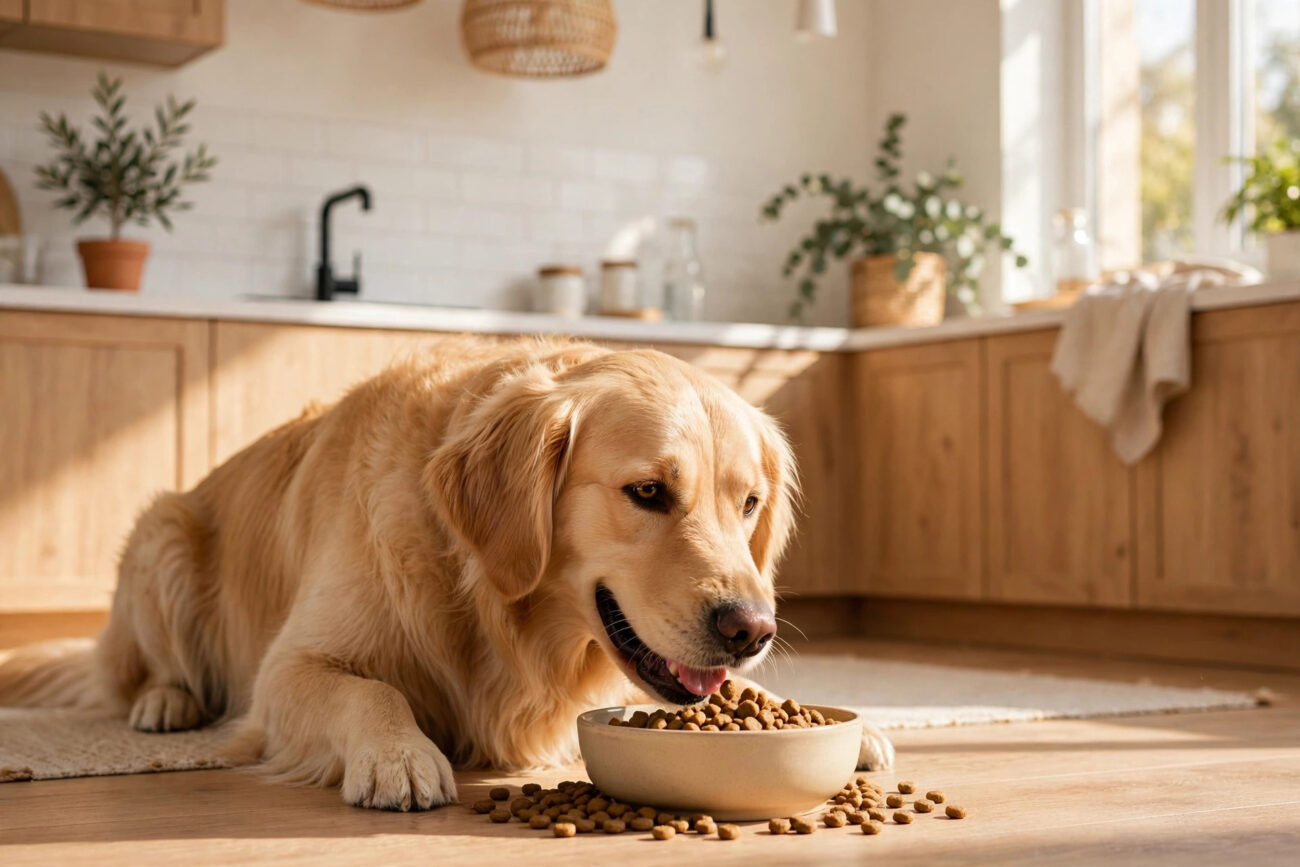
Walking down the pet food aisle can feel overwhelming: dozens of brands, bold claims on every bag, and prices ranging from budget to eye-watering. If you are a new dog owner, this article — how to choose the best dog food: a beginner’s guide — will cut through the noise. You will learn how to read a pet food label, what the main types of dog food offer, what good nutrition typically costs, and how to match a food to your dog’s age, size, and lifestyle.
A quick note before we start: this is general educational information, not veterinary advice. Every dog is different, and if your pet has a health condition, allergies, or you are considering a homemade diet, talk to your veterinarian first. With that said, understanding the basics will help you ask better questions and make a confident choice.
Table of Contents
- Why Choosing the Right Dog Food Matters
- How to Read a Dog Food Label
- Types of Dog Food Compared
- How Much Does Good Dog Food Cost?
- Matching Food to Your Dog’s Age, Size, and Lifestyle
- Frequently Asked Questions
- Conclusion
Why Choosing the Right Dog Food Matters
Food is the foundation of your dog’s health. A balanced diet supports a shiny coat, healthy skin, strong bones, good digestion, and steady energy. Poor nutrition, on the other hand, can show up as dull fur, digestive upset, low energy, or weight problems over time.
Dogs need a mix of protein, fats, carbohydrates, vitamins, and minerals in the right proportions. Protein builds and repairs muscles and tissues. Fats provide concentrated energy and support skin and coat health. Carbohydrates from grains or vegetables supply quick energy and fiber. Because dogs cannot tell us what they are missing, the quality of what goes in the bowl matters enormously.
The good news is that you do not need the most expensive bag on the shelf to feed your dog well. Many mid-priced foods meet all nutritional standards. What matters most is that the food is complete and balanced for your dog’s life stage, a phrase you will see on labels and one we will explain below.
How to Read a Dog Food Label
Pet food labels in the United States follow rules set with input from the Association of American Feed Control Officials (AAFCO), whose official site publishes pet food labeling guidance. Here are the parts of the label that actually help you decide:
- The AAFCO nutritional adequacy statement. Look for wording like “formulated to meet the nutritional levels established by the AAFCO Dog Food Nutrient Profiles for adult maintenance” (or for growth, or all life stages). This is the single most important line on the bag: it means the food is designed to be nutritionally complete for the stated life stage.
- The ingredient list. Ingredients are listed by weight before cooking, so the first few items make up most of the food. Look for a named animal protein (like “chicken” or “beef,” not vague “meat meal”) among the first ingredients. Remember that fresh meats contain a lot of water, so they weigh more before cooking than they contribute after.
- The guaranteed analysis. This panel shows minimum percentages of crude protein and crude fat, plus maximum percentages of crude fiber and moisture. It lets you compare the basic nutrient levels between products, though it does not tell you about ingredient quality.
- Feeding guidelines. The label suggests daily portions by your dog’s weight. Treat these as a starting point: very active dogs may need more, couch potatoes less. Adjust based on your dog’s body condition over a few weeks.
- Calorie content. Shown as kcal per cup or per kilogram. Useful when comparing foods of different densities, since a rich food may need a smaller scoop than a lighter one.
Marketing words like “premium,” “gourmet,” or “natural” have no strict legal definitions on pet food, so do not let them drive your decision. The AAFCO statement and the guaranteed analysis tell you far more than the front of the bag. The FDA’s pet food page is another trustworthy place to learn how pet food is regulated.
Types of Dog Food Compared
Dog food comes in several formats, each with trade-offs in convenience, cost, and nutrition. The table below compares the main options.
| Type | What It Is | Pros | Cons |
|---|---|---|---|
| Dry kibble | Baked or extruded dry pellets | Affordable, convenient, long shelf life, helps scrape teeth | Lower moisture; quality varies widely by brand |
| Wet / canned food | Cooked food sealed in cans or pouches | High moisture, very palatable, good for picky eaters | More expensive per calorie; spoils quickly once opened |
| Fresh / refrigerated | Gently cooked meals, often subscription-delivered | High-quality ingredients, minimally processed | Costly; needs fridge or freezer space |
| Raw / BARF diets | Uncooked meat, bones, and vegetables | Some owners report shinier coats and enthusiasm | Bacterial contamination risk; hard to balance without expert guidance |
| Homemade cooked | Meals you prepare yourself | Full control over ingredients | Very easy to miss nutrients; needs veterinary nutritionist input |
For most beginners, a quality dry kibble, sometimes mixed with a little wet food, is the practical sweet spot: nutritionally complete, affordable, and easy to store. Raw and homemade diets can work but carry real risks of bacterial contamination or nutrient gaps, so do not start one without professional guidance.
How Much Does Good Dog Food Cost?
Dog food prices vary by format, brand, and where you buy. The ranges below are typical U.S. prices and will differ by store and region, so treat them as estimates:
- Budget dry kibble: typically around $1 to $2 per pound. Meets basic AAFCO standards; ingredient quality is basic.
- Mid-range dry kibble: typically around $2 to $4 per pound. This is where most well-reviewed, nutritionally complete foods sit.
- Premium / specialty dry: typically around $4 to $6+ per pound. Often features specific proteins, grain-free recipes, or boutique branding.
- Wet food: typically works out to several times the cost of kibble per calorie, since you are partly paying for water weight and packaging.
- Fresh subscription food: typically around $6 to $12+ per pound, or roughly $30 to $80+ per week for a medium dog depending on the plan.
To compare fairly, calculate the cost per day, not per bag: divide the bag price by the number of days it lasts at your dog’s recommended portion. A bigger, pricier bag of calorie-dense food often costs less per day than a cheap bag you burn through twice as fast. Buying larger bags and watching for autoship discounts at pet retailers can also trim the monthly bill.
Matching Food to Your Dog’s Age, Size, and Lifestyle
The “best” dog food is the one that fits your dog. Use these general guidelines as a starting point:
- Puppies: Choose food labeled for “growth” or “all life stages.” Puppies need more protein, fat, and calories per pound than adults, plus controlled calcium for proper bone development, especially in large breeds.
- Adults: A food labeled for “adult maintenance” suits most dogs from about one year old. Match portions to activity level: a jogging companion needs more fuel than a nap enthusiast.
- Seniors: Older dogs often do well on senior formulas with slightly fewer calories and added joint-support ingredients. Your vet can advise when to make the switch, usually around age 7.
- Size matters: Small breeds need calorie-dense kibble in bite-size pieces; large and giant breeds benefit from formulas that support joint health and controlled growth.
- Sensitivities: If your dog has chronic itching, ear infections, or digestive trouble, a vet visit comes before a food switch. Do not self-diagnose allergies from internet lists.
When changing foods, transition gradually over 7 to 10 days, mixing increasing amounts of the new food with the old. A sudden switch is the most common cause of the stomach upset new owners blame on the food itself.
Frequently Asked Questions
Is grain-free dog food better?
Not necessarily. Grains like rice and oats are fine for most dogs, and grain-free foods replace them with other starches rather than removing carbs. Some grain-free diets have been studied for a possible link to heart issues in dogs, so discuss it with your vet rather than assuming grain-free means healthier.
How do I know if a dog food is high quality?
Check for the AAFCO adequacy statement first, then look for a named animal protein among the first ingredients and a reputable manufacturer. Price alone is not a reliable quality signal.
Can I feed my dog a vegetarian diet?
Dogs are omnivores and can survive on carefully formulated plant-based diets, but it is difficult to balance amino acids without animal protein. Only attempt this with a veterinary nutritionist’s plan, never by improvising.
How much should I feed my dog each day?
Start with the feeding guide on the label for your dog’s weight, then adjust based on body condition. You should be able to feel (but not prominently see) the ribs, and your dog should have a visible waist from above.
Is wet food better than dry food?
Neither is universally better. Wet food offers more moisture and palatability; dry food is more economical and convenient. Many owners mix both. The nutritional adequacy statement matters more than the format.
When should I switch my puppy to adult food?
Most dogs transition around 12 months, though large and giant breeds may stay on puppy food until 18 to 24 months. Your veterinarian can confirm the right timing for your dog.
Conclusion
Choosing the best dog food comes down to a few fundamentals: pick a food with an AAFCO adequacy statement for your dog’s life stage, learn to read the ingredient list and guaranteed analysis, choose the format that fits your budget, and transition changes gradually. You do not need the priciest bag, just a complete, balanced food and portions matched to your dog. When in doubt, your veterinarian is the best guide you have.
Related Reading
