
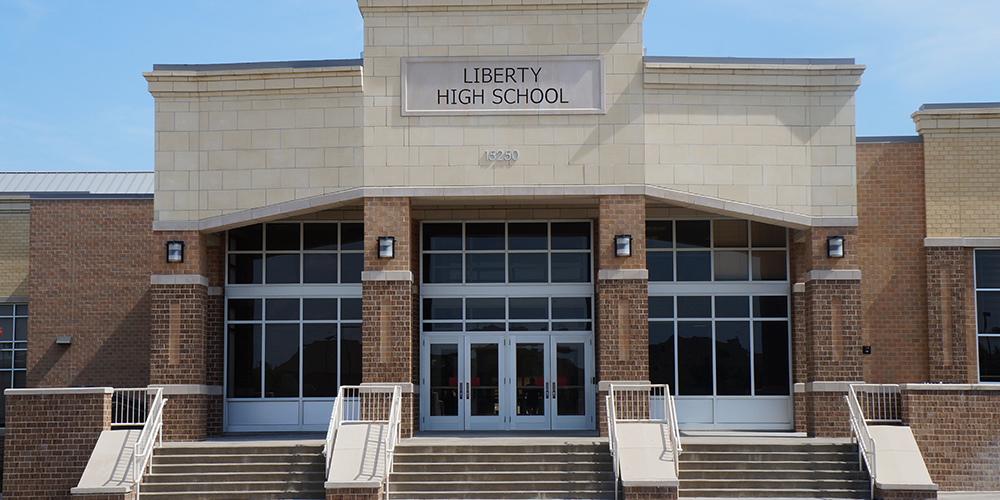
In today’s fast-paced world, school safety remains a top priority for parents, educators, and communities. The recent liberty high school gas evacuation has brought this issue into sharp focus, reminding us how quickly everyday routines can turn into emergencies. On September 12, 2025, students and staff at Liberty High School in Hillsboro, Oregon, experienced a tense morning when a suspected gas leak prompted a full evacuation. This incident, while resolved without injury, has sparked widespread discussions about preparedness and response protocols in schools across the nation. As parents voice their worries, it’s crucial to examine what happened, why it matters, and how such events can be prevented in the future. This article delves deep into the details, offering insights into school safety measures and the broader implications for families everywhere.
What Happened During the Liberty High School Gas Evacuation?
The liberty high school gas evacuation unfolded rapidly on the morning of September 12, 2025. Kitchen staff at the school detected an unusual odor they believed to be natural gas around 10:30 a.m. Acting swiftly, they activated the fire alarm to alert everyone in the building. Within minutes, over 1,500 students and staff members evacuated the premises in an orderly fashion, following pre-established drills.
Emergency responders from Hillsboro Fire and Rescue arrived promptly, alongside the district’s facilities team. They conducted a thorough inspection of vents, gas lines, and potential sources in the kitchen area. Fortunately, no actual gas leak was found—it turned out to be a false alarm triggered by a misidentified smell, possibly from cleaning agents or equipment malfunction. By shortly after 11 a.m., the building was declared safe, and classes resumed with minimal disruption. This liberty high school gas evacuation date marks yet another example of how vigilance can prevent potential disasters, even when the threat isn’t real.
While no injuries occurred, the event highlighted the importance of quick action in school settings. Schools like Liberty High are equipped with modern detection systems, but human intuition often plays a key role in initiating responses.
Causes of Gas Leaks in Schools: Insights from the Incident
Gas leaks in educational institutions can stem from various sources, including aging infrastructure, faulty appliances, or external damage to lines. In the case of the liberty high school gas evacuation, the initial suspicion pointed to a possible leak in the kitchen, a common area for such issues due to ovens, stoves, and heating systems. Although no leak was confirmed, similar incidents elsewhere provide valuable lessons.
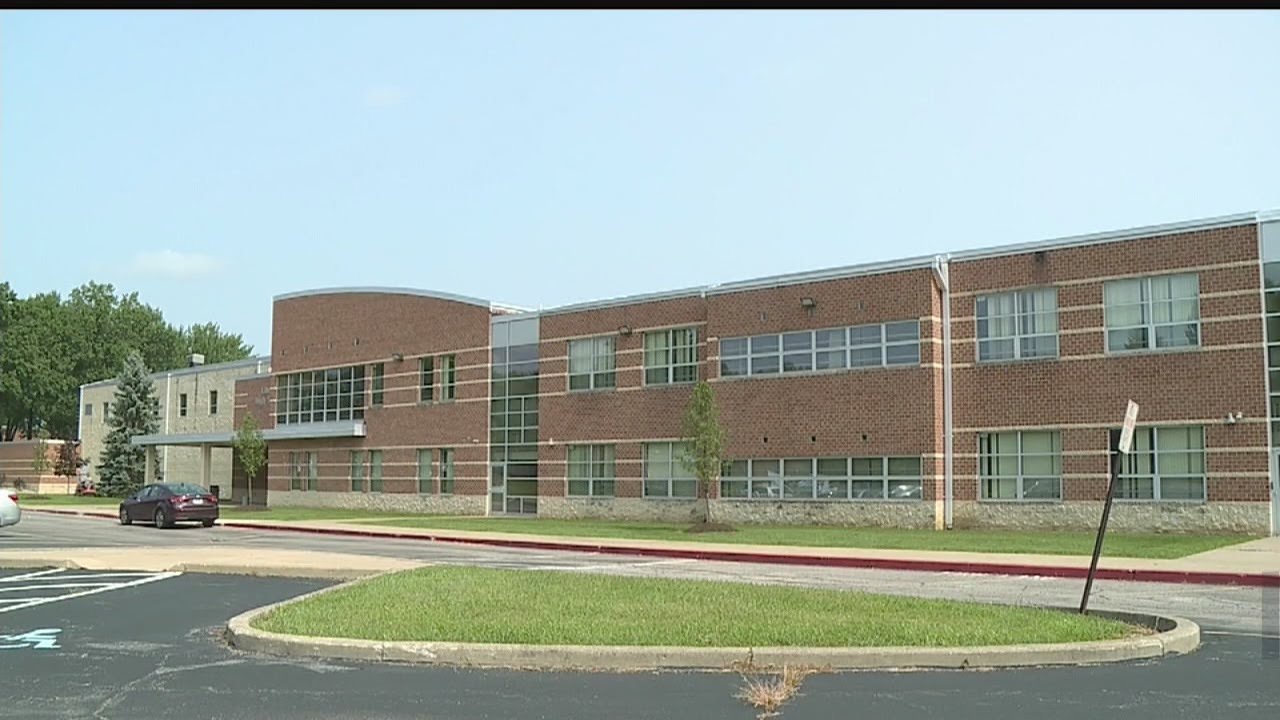
For instance, natural gas leaks often result from corrosion in pipes, improper maintenance, or accidental hits during construction. According to industry reports, schools built before the 1990s may have outdated systems more prone to failures. The liberty high school gas evacuation update reveals that routine inspections helped rule out a real problem quickly, but it underscores the need for ongoing upgrades.
Environmental factors can also contribute. A sudden thunderstorm, for example, might cause power surges that affect gas equipment, or heavy rains could erode soil around buried lines. While rare, even hypothetical threats like an asteroid impact could disrupt utilities on a massive scale, though schools focus more on everyday risks like gas issues.
Response and Evacuation Procedures at Liberty High School
Effective response is the backbone of school safety. During the liberty high school gas evacuation, protocols were followed to the letter. Students assembled at designated safe zones away from the building, teachers took attendance, and communication channels kept parents informed via text alerts and the liberty high school website.
Hillsboro School District emphasizes regular drills for various scenarios, including fire, gas leaks, and severe weather like thunderstorms. This preparation ensured the evacuation took less than 10 minutes. Firefighters’ rapid assessment prevented unnecessary prolonged disruption.
To illustrate key steps in such procedures, here’s a table outlining standard gas leak response protocols based on national guidelines:
| Step | Action | Responsible Party | Timeframe |
|---|---|---|---|
| 1 | Detect odor or alarm | Staff/Students | Immediate |
| 2 | Activate fire alarm and evacuate | All occupants | 1-5 minutes |
| 3 | Notify emergency services | School administration | Within 2 minutes |
| 4 | Shut off gas if safe | Facilities team | As soon as possible |
| 5 | Account for all individuals | Teachers/Staff | 5-10 minutes |
| 6 | Inspect and clear building | Fire department | 15-60 minutes |
| 7 | Communicate updates to parents | School district | Ongoing |
Safety Concerns Raised by Parents
The liberty high school gas evacuation today though resolved safely has ignited significant anxiety among parents. Many expressed fears about potential health risks from gas exposure, such as headaches, nausea, or worse in prolonged cases. Social media buzzed with questions: “What if it had been a real leak?” and “Are our kids truly safe?”
Parents at Liberty High School, known for its strong community ties, including the popular liberty high school football program, worry that such events could disrupt not just academics but extracurriculars. One parent noted in a local forum that repeated false alarms might desensitize students to real dangers. These concerns echo broader national trends, where school safety polls show over 70% of parents prioritizing emergency preparedness.
District officials have responded by scheduling town hall meetings to address these issues, emphasizing transparency and improvements.
Liberty High School Gas Evacuation Update
As of the latest liberty high school gas evacuation update, the school has fully resumed operations with no lingering effects. An internal review confirmed all systems are functioning properly, and additional training for staff on odor identification is underway. No disciplinary actions were needed, as the response was deemed exemplary.
For ongoing information, parents are encouraged to check the liberty high school website, which features a dedicated safety section with resources on emergencies.
Video Footage and Eyewitness Accounts
The liberty high school gas evacuation video circulating on platforms like TikTok captures the scene: students streaming out calmly, fire trucks arriving, and relieved faces upon re-entry. Eyewitnesses, including students, described the initial confusion but praised the organized exit. One video shows a teacher directing traffic, highlighting the human element in crisis management.
These visuals not only document the event but also serve as educational tools for other schools.
Impact on School Activities, Including Liberty High School Football
Beyond the immediate scare, the evacuation briefly halted daily activities at the school. Classes were paused for about an hour, and some after-school events were rescheduled. The liberty high school football team, a source of pride for the community with its strong record, had practice delayed but proceeded later that day.
Such interruptions remind us that safety trumps schedules. The team, known for its resilience, used the incident as a teachable moment on preparedness.
Broader School Safety: From Gas Leaks to Thunderstorms and Rare Threats
Schools prepare for a range of hazards, from common ones like gas leaks to weather-related events such as thunderstorms. Liberty High School conducts thunderstorm drills to ensure students know how to seek shelter during storms, which can cause power outages or flooding.
On the rarer end, discussions around asteroid impacts though improbable fall under general disaster planning. NASA monitors such threats, and schools incorporate basic education on them to foster awareness. The key is a holistic approach: integrating gas detection, weather alerts, and even cosmic risk education into curricula.
This comprehensive strategy helps build confident, prepared communities.
Frequently Asked Questions (FAQ)
What happens if there’s a gas leak at school?
If a gas leak occurs at school, immediate evacuation is standard. Staff alert authorities, shut off gas if possible, and ensure everyone moves to a safe distance. Health effects depend on exposure, but quick action minimizes risks.
What caused the gas explosion?
In most cases, gas explosions result from leaks igniting via sparks or flames. However, the liberty high school gas evacuation involved no explosion just a suspected leak that was unfounded.
What does a gas leak smell like in school?
A gas leak often smells like rotten eggs due to added odorants. In schools, it might be confused with other scents, as in the Liberty incident.
What to do if you smell gas in school?
If you smell gas, don’t use electronics or lights evacuate immediately and report it to staff or call 911 from a safe location.
How often do schools conduct evacuation drills?
Most schools hold drills monthly or quarterly, covering fire, gas, and other emergencies to keep everyone prepared.
Is Liberty High School safe after the evacuation?
Yes, thorough checks confirmed no issues, and enhanced measures are in place.
Where can I find more updates on school safety?
Visit the liberty high school website or district resources for the latest.
Conclusion
The liberty high school gas evacuation serves as a stark reminder of the vulnerabilities in our educational environments, yet it also showcases the strength of prepared responses. By addressing parent concerns, updating protocols, and learning from incidents, schools can enhance safety for all. If you’re a parent or community member, stay engaged check your local school’s website, attend meetings, and advocate for robust measures. Together, we can ensure our children learn in secure settings. For more on school safety, explore resources from organizations like the National Safety Council.
