
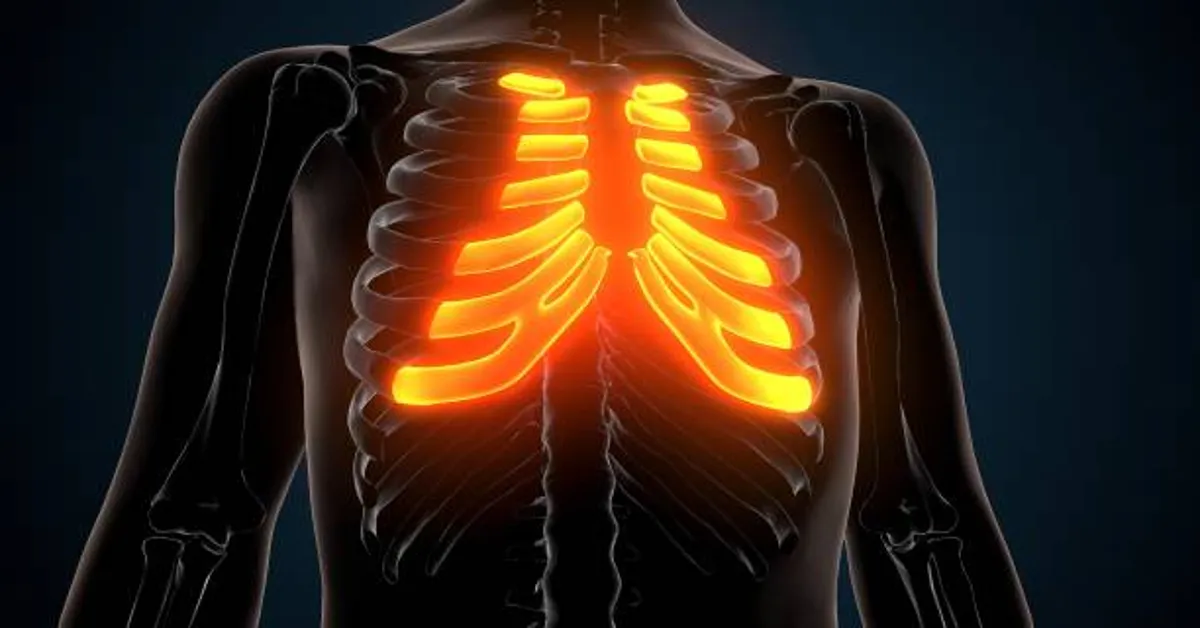
Rib flare is a common postural condition where the lower ribs protrude outward, often giving the appearance of a wider or “popped out” rib cage. This can affect one or both sides, though it’s frequently more noticeable on the left due to natural anatomical asymmetries in the diaphragm’s attachment. While not a disease in itself, rib flare disrupts normal breathing mechanics, core stability, and posture. It is especially prevalent among rib flare women, particularly during and after rib flare pregnancy, but it can occur in anyone due to muscle imbalances or poor habits.
Understanding rib flare matters because it influences daily comfort, exercise performance, and long-term health. Left unaddressed, it may contribute to back pain, shallow breathing, or challenges with core engagement. Fortunately, most cases improve significantly with targeted rib flare exercises, posture awareness, and sometimes supportive tools like a rib flare brace. In this comprehensive guide, we’ll explore the causes, symptoms, treatment options, and practical fixes to help you achieve better alignment and confidence.
What Exactly Is Rib Flare?
Rib flare occurs when the lower portion of the rib cage (typically ribs 8–12) tilts outward or upward instead of resting in a neutral, slightly inward position relative to the upper ribs. This creates a visible protrusion, often described as “ribs sticking out.”
Rib flare vs normal: In a neutral rib cage, the lower ribs align with the body’s natural curve, allowing efficient diaphragmatic breathing. With flare, the ribs stay “lifted,” reducing the zone of apposition (the area where the diaphragm meets the abdominal wall), which impairs deep breathing and core function.
While there’s no dedicated rib flare wikipedia page (as it’s a postural descriptor rather than a formal medical diagnosis), it’s commonly discussed in physical therapy, orthopedics, and postpartum recovery resources, often linked to conditions like pectus excavatum or carinatum.
Rib Flare Symptoms
Many people notice rib flare visually first, but symptoms can include:
- A protruding lower rib cage, especially noticeable when raising arms overhead or during core workouts.
- Discomfort or tightness in the rib area, lower back, or sides.
- Difficulty maintaining proper posture, with an excessive lower back arch (lordosis).
- Shallow chest breathing instead of deep belly breathing.
- Challenges engaging the core during exercise, leading to compensatory strain.
In severe cases, it may contribute to related issues like diastasis recti (in postpartum women) or reduced athletic performance.
Main Causes of Rib Flare
The main cause of rib flare is often muscle imbalance and poor posture, where weak abdominals (especially transverse abdominis and obliques) fail to pull the ribs downward, while overactive back muscles (like quadratus lumborum, erectors, and lats) pull them outward.
Other common rib flare causes include:
- Poor breathing patterns Relying on chest breathing instead of diaphragmatic breathing lifts the ribs chronically.
- Pregnancy During rib flare pregnancy, the growing uterus pushes organs upward, expanding the rib cage to accommodate the baby and extra oxygen needs. This widening often persists postpartum if not addressed.
- Weak core or postural habits Sedentary lifestyles, excessive sitting, or anterior pelvic tilt exacerbate the issue.
- Congenital factors In some cases, it’s associated with chest wall variations like pectus deformities.
Rib flare women experience it more frequently due to pregnancy-related changes, where hormonal relaxation and organ displacement play key roles.
Is Rib Flare Dangerous?
Is rib flare dangerous? Generally, no it’s not intrinsically life-threatening or a medical emergency. However, chronic rib flare can lead to secondary problems like reduced breathing efficiency, chronic lower back pain, or impaired core stability, which may increase injury risk during physical activity. In rare structural cases (e.g., linked to pectus conditions), it might warrant specialist evaluation, but most instances are functional and correctable.
Rib Flare Treatment Options
Effective rib flare treatment focuses on restoring balance through non-invasive methods. Start with conservative approaches before considering advanced options.
1. Breathing Exercises and Posture Correction
Retraining diaphragmatic breathing is foundational. Focus on full exhalation to draw ribs down and in.
2. Rib Flare Exercises
Consistent rib flare exercises strengthen the core and improve mobility. Here are some effective ones:
- Diaphragmatic Breathing Lie on your back, hands on lower ribs. Inhale deeply into the belly (ribs expand sideways), then exhale fully while gently drawing ribs down. Repeat 10–15 times daily.
- Dead Bug Lie on back, arms/legs extended. Press lower back into floor while slowly lowering opposite arm/leg. Keep ribs tucked.
- Plank Variations Standard or side planks with focus on rib cage alignment.
- Bird-Dog On all fours, extend opposite arm/leg while maintaining neutral ribs.
Many people see noticeable rib flare before and after improvements with 4–8 weeks of daily practice.
3. Rib Flare Brace
A rib flare brace provides external support, particularly useful for structural or persistent cases (often combined with pectus treatments). Custom braces can guide ribs inward, though effectiveness varies by age and severity better in younger individuals with flexible cartilage. Always consult a professional for fitting.
4. Physical Therapy and Other Supports
A physical therapist can offer manual techniques, massage tight muscles, and tailor programs. In rare cases, surgery addresses underlying deformities.
How Do You Fix a Flared Rib? (Step-by-Step Guide)
Consistency is key.
- Assess: Stand sideways in a mirror do lower ribs protrude?
- Breathe: Practice exhales to “tuck” ribs.
- Strengthen: Incorporate core exercises daily.
- Posture: Maintain neutral spine throughout the day.
- Track: Monitor progress with photos (rib flare before and after).
Will flared ribs ever go away? Yes, in most cases, especially functional ones. With dedication, many achieve full correction or significant improvement.
Comparison of Rib Flare Treatment Approaches
Here’s a quick overview:
| Treatment Method | Best For | Effectiveness | Timeframe | Cost/Accessibility |
|---|---|---|---|---|
| Breathing & Posture Exercises | Mild functional flare | High | 4–12 weeks | Free/Home |
| Core Strengthening (e.g., Dead Bug, Plank) | Weak abs/posture issues | High | 6–12 weeks | Free/Home |
| Physical Therapy | Persistent or painful cases | Very High | 8–16 weeks | Moderate/Professional |
| Rib Flare Brace | Structural/moderate cases | Moderate-High | Months | Higher/Specialist |
| Surgery | Severe congenital deformities | High | Long recovery | High/Last Resort |
How do you fix a flared rib?
Focus on diaphragmatic breathing, core strengthening exercises (like dead bugs and planks), and posture awareness. Consistent daily practice often yields results in weeks to months.
Will flared ribs ever go away?
Yes, especially if caused by posture, weak core, or pregnancy. Many people fully resolve it with exercises and breathing retraining.
What is the main cause of rib flare?
Muscle imbalances (weak abs, tight back muscles), poor breathing habits, and pregnancy-related expansion are primary culprits.
Is rib flare good or bad?
It’s neither inherently good nor bad, but chronic flare is suboptimal as it impairs breathing, core function, and posture. Addressing it improves overall health and aesthetics.
Can rib flare happen only on one side?
Yes, unilateral flare (often left) is common due to diaphragm asymmetry and organ distribution.
Does rib flare affect pregnancy or postpartum recovery?
It often appears or worsens during rib flare pregnancy and can linger postpartum, potentially impacting core healing or pelvic floor function.
When should I see a doctor for rib flare?
If accompanied by pain, breathing difficulty, or no improvement after consistent exercises, consult a physical therapist or physician.
Conclusion
Rib flare is a manageable condition that affects appearance, breathing, and function, but it doesn’t have to be permanent. By understanding rib flare causes, recognizing rib flare symptoms, and committing to rib flare exercises and proper breathing, most people can achieve meaningful improvement often leading to better posture, reduced discomfort, and enhanced confidence.
